Kingston Council rules for waste from cleaning jobs
Posted on 23/05/2026
Kingston Council rules for waste from cleaning jobs: a practical guide for cleaners, landlords and home owners
If you have ever finished a deep clean and stood there looking at a pile of dust sheets, bagged rubbish, old packaging, broken fittings, or a half-empty bottle of something you definitely do not want leaking in the van, you will know the awkward bit comes after the cleaning. That is where Kingston Council rules for waste from cleaning jobs matter. They shape what can be left, what must be separated, what needs special handling, and what a responsible cleaner should never just guess at.
This guide breaks the subject down in plain English. You will learn how waste from cleaning jobs is normally handled, what to watch for in Kingston, how to reduce risk, and how to stay on the right side of practical compliance without making the job harder than it needs to be. Truth be told, the rules are not the glamorous part of cleaning, but they are often the difference between a tidy handover and a messy complaint.
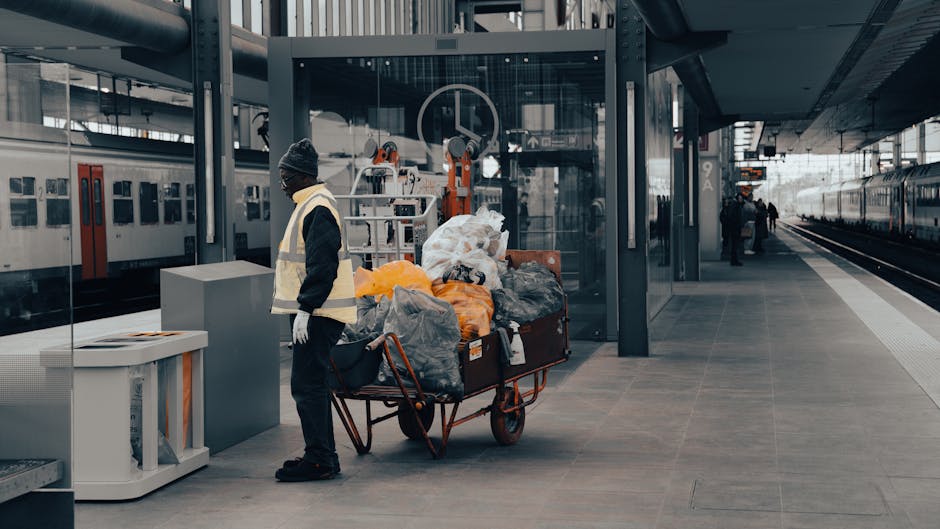
Why Kingston Council rules for waste from cleaning jobs Matters
Cleaning waste looks simple until it does not. A domestic clean can produce food waste, packaging, glass, sanitary items, cloths, vacuum contents, and the occasional surprise item tucked behind a sofa. An end of tenancy clean can create even more, especially when tenants have left behind broken household items, deflated bags of rubbish, or heavy black sacks that should never be carried out without a plan.
The council rules matter because they shape how waste should be presented, what belongs in normal collections, and what needs separate disposal. If waste is left out incorrectly, it may be refused, missed, or attract complaints from neighbours or building managers. In a busy place like Kingston, where flats, terraces, offices and shared houses all sit close together, a small mistake can quickly become a visible one.
There is also a trust angle. Clients often judge a cleaning company by the final five minutes, not just the sparkling taps and streak-free windows. If the waste is handled neatly, the job feels complete. If not, the whole service can feel unfinished. That is especially true for services like end of tenancy cleaning in Kingston upon Thames, where handover standards tend to be strict and everyone is a little more alert than usual.
Key takeaway: waste from cleaning jobs is not just "leftover rubbish". It may include recyclable items, general waste, bulky waste, and materials that need careful separation before disposal.
For local businesses too, proper handling is part of keeping standards consistent. A customer booking office cleaning in Kingston upon Thames usually expects desks and bins to be managed sensibly, with minimal disruption and no unpleasant surprises in the communal waste area. It sounds obvious, but these little things matter.
How Kingston Council rules for waste from cleaning jobs Works
The simplest way to think about waste rules is this: sort first, dispose second. In practice, that means identifying what the waste is, deciding whether it is ordinary household or business waste, and then choosing the right route for removal.
For most cleaning jobs, the waste falls into a few broad categories:
- General waste: dust, paper towels, non-recyclable packaging, broken disposable items, and mixed rubbish.
- Recyclable waste: clean cardboard, certain plastics, glass bottles, tins, and similar materials where local collections allow them.
- Bulky waste: items such as damaged furniture, large broken household goods, or old mattresses left during a clearance-style clean.
- Hazardous or special waste: chemicals, strong cleaning products, paint, sharps, batteries, and anything that could pose a risk if handled casually.
Now, a small but important point: cleaning teams should not assume everything can go in one bin just because it came from a clean. Used cleaning cloths are not the same as food waste. An empty spray bottle is not the same as a container with residue. And a bag of "mixed rubbish" may be fine for some disposal routes but a problem for others. A bit of common sense saves a lot of faff later.
In Kingston, as in many London boroughs, the practical rules usually revolve around whether waste can be collected through standard local services, whether it must go through a dedicated bulky waste route, or whether it needs specialist disposal. For cleaners, the main task is not memorising every detail. It is setting up a routine that keeps the waste separate from the outset.
This becomes even more relevant in properties that need a more layered service, such as domestic cleaning in Kingston upon Thames or house cleaning in Kingston upon Thames, where waste comes from day-to-day living rather than one-off clearances. Small amounts add up quickly. One overflowing bin is manageable; three bags, a broken lampshade and a half-used bleach bottle can become a sorting job.
If a job involves soft furnishings, the waste question gets trickier. Upholstery offcuts, damaged cushions, and heavily soiled items may not fit in ordinary waste arrangements. That is where a service such as upholstery cleaning in Kingston upon Thames can overlap with disposal planning, especially if old items need to be removed after inspection.
Key Benefits and Practical Advantages
Handling cleaning waste properly is not just about avoiding trouble. It creates smoother jobs and better outcomes for everyone involved.
- Cleaner handovers: the property looks finished, not just cleaned.
- Less risk of refused collections: separating waste properly reduces the chance of bags being left behind.
- Better client confidence: customers notice when a cleaner leaves a space orderly and calm.
- Reduced safety issues: good segregation lowers the chance of leaks, cuts, or contamination.
- Less time wasted: nobody wants to re-open sealed bags because something sharp or unsuitable was thrown in by mistake.
There is another benefit people do not talk about enough: smoother coordination with landlords, agents and facilities teams. If waste is clearly separated and labelled, everyone spends less time asking questions. That helps during move-outs, larger office cleans, and post-event clear ups.
For anyone comparing services, waste handling is one of those quiet indicators of professionalism. It sits alongside insurance, safety and customer care, which is why it pairs well with pages like insurance and safety and health and safety policy. The people who care about the small details tend to care about the bigger ones too.
Who This Is For and When It Makes Sense
This topic matters to more people than you might think. If you are a cleaner, property manager, landlord, tenant, office manager or homeowner, waste rules can affect your day-to-day work in slightly different ways.
For cleaning companies
Professional cleaners need a repeatable system. That includes knowing which waste can be bagged and removed, which should stay on site, and which materials need a different route. If your service mix includes carpet cleaning in Kingston upon Thames, for example, you may deal with dirty water, packaging and extracted debris. That means planning transport and disposal before the job begins, not after.
For tenants and landlords
Move-out cleans often uncover extra waste. Tenants sometimes leave behind forgotten kitchen items, old clothes, broken hangers, food packaging, or cleaning products under the sink. Landlords want the place cleared quickly, but not in a sloppy way. If you are managing a handover, waste handling can make the difference between "done" and "not quite done".
For offices and commercial spaces
Office waste is usually more structured, but it can still become awkward if cleaners mix confidential paper, food waste, packaging and broken equipment without any thought. A tidy waste process is especially useful when paired with regular services overview planning, because it helps set expectations before a contract starts.
For residents dealing with a one-off mess
Sometimes the waste problem is simple. A spring clean produces too many bags for the normal bin. A party leaves bottles and packaging. Or a deep clean reveals a cupboard full of expired products that should not go into general waste without a second glance. In those moments, it makes sense to slow down a bit and choose the correct route rather than rushing the last step.
And if you are wondering whether Kingston is a straightforward place to live and organise services in, the local perspective can help. See local opinions on Kingston and the broader area insights in the Kingston property listings guide. Not directly about waste, yes, but useful context if you are handling property turnover or setting up regular cleaning support.
Step-by-Step Guidance
If you want a practical approach that keeps things tidy and sensible, follow this sequence.
- Identify the waste type before you start bagging. Separate general waste, recyclables, bulky items and anything hazardous.
- Check the property's disposal setup. Some homes have shared bins, some have designated commercial waste storage, and some have no realistic storage at all. The property tells you a lot if you look properly.
- Keep hazardous materials apart. Strong chemicals, sharp objects and batteries should never be mixed casually with standard cleaning waste.
- Use strong, suitable bags. Thin bags split at the worst possible time. Everyone has had that moment. Not a good look.
- Label or separate bags where needed. This is especially helpful for multi-room cleans, office jobs, or end of tenancy work.
- Confirm who is responsible for final disposal. Is the cleaner taking it away? Is the client arranging collection? Is it staying in the building waste area for normal pickup?
- Document anything unusual. Photos and notes help if a landlord or manager questions what was left behind.
- Finish with a final sweep. Check behind doors, under sinks, inside cupboards, and around skirting boards. Waste problems love hiding in corners.
A realistic example: a two-bedroom flat in central Kingston needs a move-out clean. There are three bags of mixed household rubbish, a broken plastic chair, and two half-used bottles of household cleaner. The bags may fit the client's bin arrangement, but the chair probably does not. The cleaners should separate the chair for bulky disposal, keep the liquids upright and secured, and make it very clear what remains on site. Simple, but not always simple in the moment.
That is also why some customers look for a service with clear operating procedures, not just a low headline price. If you are comparing options, a transparent page such as pricing and quotes can help you see what is included and what is not. Good waste handling takes time, and time tends to show up somewhere on the invoice. Fair enough.
Expert Tips for Better Results
The best waste systems are boring in the nicest possible way. They run quietly in the background. Here are the habits that make the biggest difference.
- Pre-brief the job: ask in advance whether there will be left-behind waste, broken items, or products that need special care.
- Carry separate bags or containers: one for general waste, one for recyclables, one for sharp or awkward items where appropriate.
- Do not "helpfully" overfill bags: overstuffed bags tear, and torn bags create mess, smells and extra time.
- Keep liquids sealed and upright: it sounds obvious, but that bottle rolling around in the boot is a future problem.
- Train for decision points, not just tasks: when a cleaner can decide quickly whether something is standard waste or needs a different route, the whole job becomes smoother.
One small but useful tip: keep a simple "question list" for the start of the job. Are there any bulky items? Any sharps? Any chemicals left behind? Any communal bins with restrictions? Those four questions prevent a surprising amount of drama later on.
If your team handles fabric-heavy work, a related service page such as carpet cleaning can be a useful reminder that waste is not always visual rubbish. Dirty water and extract waste need careful management too. Not glamorous. Still necessary.
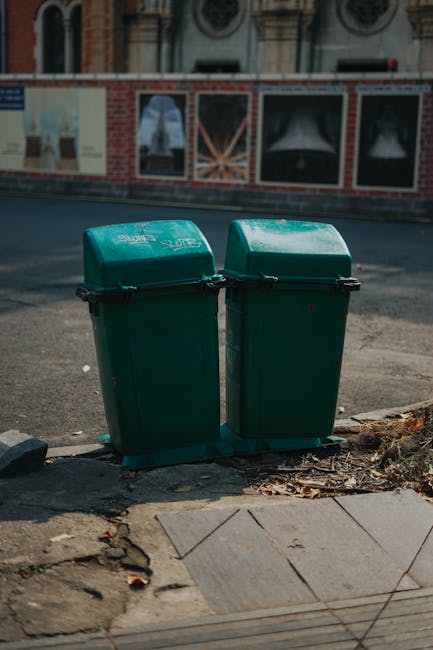
Common Mistakes to Avoid
Most waste problems are not caused by bad intentions. They happen because someone was rushing, assumed too much, or tried to keep things "simple". That shortcut usually costs more time in the end.
- Mixing everything together: this is the easiest way to create contamination and collection problems.
- Leaving waste in the wrong place: especially in shared blocks, where one wrong bag can upset several people.
- Ignoring bulky waste: furniture and large broken items often need a different route from ordinary bagged rubbish.
- Storing chemicals badly: never leave leaking or unstable containers where they can tip over.
- Assuming the client will sort it out: maybe they will, maybe they will not. That is not a plan.
- Forgetting the final check: a hidden bag under a sink can undo a nice clean finish very quickly.
There is also a reputation risk that people underestimate. A good clean with a poor waste finish can trigger complaints, even if the actual dusting and scrubbing were excellent. Clients remember what they can see at the end, especially if they are handing back keys or opening the office on Monday morning. No one wants to start the week with rubbish by the door.
Tools, Resources and Recommendations
You do not need a warehouse full of specialist kit to manage cleaning waste well. A modest, well-organised setup usually beats a fancy one every time.
| Tool or resource | Why it helps | Best used for |
|---|---|---|
| Heavy-duty refuse bags | Reduces splitting and leakage | General cleaning waste, dirty cloths, lightweight mixed rubbish |
| Separate smaller bags or liners | Makes sorting easier on site | Recyclables, small items, room-by-room segregation |
| Disposable gloves and eye protection | Improves safety when handling unknown waste | Deep cleans, end of tenancy work, awkward clear-ups |
| Label tags or simple notes | Helps clients and site teams understand what is what | Multi-bag jobs, commercial sites, storage areas |
| Covered transport containers | Stops leaks, smells and accidental spillage in transit | Vehicle transport and bulky waste movement |
Useful internal pages can also help you understand the wider service standards behind waste handling. For example, about us gives a sense of service approach, while complaints procedure shows how issues are handled if something goes wrong. You may never need them. But when you do, you really do.
If you are organising a one-off clean after a party or a busy event, some local knowledge around property use and turnover can also help. Kingston gets lively, especially around social periods. A quick look at Kingston's top party locations and the local area blog can remind you why waste volumes can spike unexpectedly after weekends and celebrations.
Law, Compliance, Standards, or Best Practice
Because waste handling can touch safety, hygiene and disposal responsibility, it is wise to treat it as a compliance issue, not just an operational chore. The exact local collection rules can change, so anyone working in Kingston should check current council guidance before relying on an old process. That is the cautious, sensible answer, and honestly the safest one.
In UK practice, the broad expectations are usually straightforward:
- waste should be stored safely and securely before collection or removal;
- recyclable materials should be separated where practical;
- hazardous or sharp items should be isolated and handled carefully;
- no waste should create a nuisance, spillage, smell, or access problem for neighbours or building users;
- businesses should use responsible disposal arrangements that suit the nature of the waste.
For cleaners, best practice is often stricter than the minimum. That is because service quality and safety are tied together. If a team already follows a solid health and safety policy and uses proper insurance-aware methods, it is usually much easier to manage waste without improv doing it on the fly. Improvisation can be charming in a jazz club. Less so with bin bags.
One more practical point: if you are dealing with confidential papers, medicine, needles, or chemical containers, stop and treat those as special cases. Do not guess. Separate them, protect staff, and use the correct route. That is not overcautious. That is just sensible.
Options, Methods, or Comparison Table
Not every cleaning job needs the same waste approach. The right method depends on volume, material type, location, and how quickly the waste needs to leave the site.
| Method | Best for | Pros | Watch-outs |
|---|---|---|---|
| Standard bagged disposal | Routine home cleans and light office waste | Simple, quick, low disruption | Not suitable for bulky or hazardous items |
| Separated on-site sorting | Mixed waste with some recyclables | Helps compliance and reduces contamination | Takes a little longer during the job |
| Bulky waste removal | Old furniture, large broken items, post-move clear-outs | Clears space fast, useful for turnovers | May need booking or additional coordination |
| Specialist handling | Chemicals, sharps, contaminated materials | Safer and more responsible | Requires proper process and sometimes extra cost |
For most everyday cleans, the best method is not the fanciest one. It is the one that matches the waste actually produced. In many homes and offices, a good routine plus clear communication wins out over anything else. That is why regular service planning matters, particularly if you use domestic or office cleaning on a repeat basis.
Case Study or Real-World Example
Picture a rented flat near central Kingston after a busy tenancy. The tenants have moved out, the carpets have been vacuumed, and the kitchen has been scrubbed clean. But the balcony still has a collapsed box, the utility cupboard has old cleaning bottles, and the bedroom wardrobe contains a mix of damaged hangers, packaging and a broken bedside lamp.
A rushed cleaner might throw everything into one bag and leave it near the bin store. That looks tidy for about ten minutes. Then the problems begin: the bag splits, the lamp sticks out awkwardly, the cleaner or landlord is unsure what can go into the communal bins, and the final handover feels messy.
A better approach is calmer and more deliberate. The lamp is separated as bulky waste. The bottles are checked for residue and kept secure. The cardboard is flattened. The remaining general waste is bagged properly. The team records what was removed and what stayed on site. It takes a bit longer, sure. But the property ends in a better state, and everyone is less likely to be unhappy later.
This is also where local context matters. In busy neighbourhoods, waste storage areas can be shared, tight, or highly visible. A neat process is not just courteous; it prevents friction. If you are handling a move-out, pairing good waste practice with the advice in these KT1 end-of-tenancy cleaning tips can make the whole job feel far more controlled.
Practical Checklist
Use this quick checklist before you finish any job involving waste.
- Have I identified all waste types on site?
- Are recyclables separated from general waste where practical?
- Have I isolated sharp, wet, leaking, or chemical items?
- Are bags strong enough and not overfilled?
- Do I know where the waste is going next?
- Have I checked communal bins, storage areas, and access rules?
- Have I cleared bulky items from the main clean area?
- Have I noted any unusual waste for the client or site manager?
- Have I done a final sweep of cupboards, corners and hidden spots?
- Would I be happy for a client to see this waste setup at the door right now?
If the answer to that last one is no, you probably need one more minute. Maybe two. Worth it.
Conclusion
Kingston Council rules for waste from cleaning jobs are really about one thing: handling the final stage of a clean with the same care you used on the visible surfaces. Sort the waste sensibly, keep risky items apart, avoid overfilling bags, and respect the property's disposal setup. Do that consistently and you protect the client, the building, the cleaning team, and your reputation.
For homeowners, it means less hassle. For landlords, it means smoother turnovers. For cleaners and offices, it means fewer complaints and cleaner handovers. And for everyone involved, it means the job ends the way it should - neatly, quietly, and without the last-minute scramble. That's the bit people remember, after all.
If you are planning a clean in Kingston and want a service that thinks carefully about the practical details, start by reviewing the service scope, safety approach, and what happens with waste before the job begins.
Get a free quote today and see how much you can save.