Health and safety rules for office cleaning Kingston upon Thames
Posted on 26/06/2026
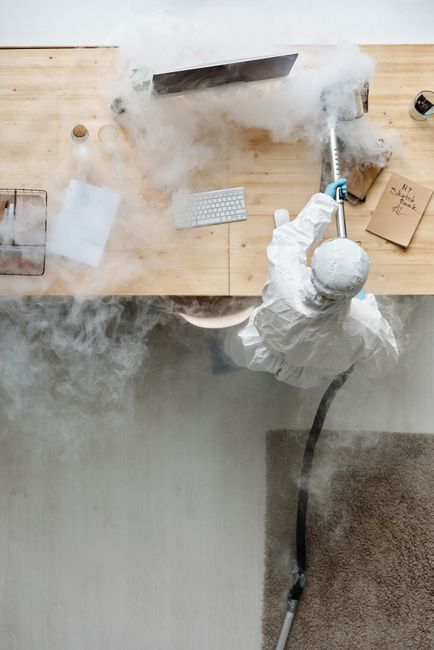
If you manage an office, run a workplace, or arrange regular cleaning in Kingston upon Thames, health and safety cannot be treated like a side note. Office cleaning sounds straightforward enough until you think about wet floors, cables under desks, chemical sprays in a meeting room, or a cleaner trying to lift a stubborn bin bag full of broken glass. That is where clear Health and safety rules for office cleaning Kingston upon Thames really matter. They protect people, keep the job efficient, and reduce the kind of avoidable problems that quietly cost time and money.
This guide explains what good practice looks like in plain English. You will see how safe office cleaning should work, what responsibilities usually sit with the cleaning provider and the client, the main risks to watch for, and the practical steps that make day-to-day cleaning safer. We will also cover useful checks, a comparison of cleaning approaches, and a realistic example from a Kingston office setting. No fluff. Just the stuff that helps you make sensible decisions.
Why Health and safety rules for office cleaning Kingston upon Thames matters
Office cleaning is one of those jobs people only notice when something goes wrong. A spill near a printer. A mop left across a corridor. A fragrance-heavy product that sets off someone's asthma. Suddenly the "simple clean" is no longer simple at all. Good safety rules turn that into a controlled, predictable process.
In Kingston upon Thames, offices can range from compact professional suites to busier shared workspaces and larger commercial buildings. That variety means one-size-fits-all cleaning is not enough. A reception area with polished flooring needs different controls from a back-office kitchen, and a late-evening clean in a quiet building is not the same as tidying around active staff. To be fair, that is exactly why proper planning matters so much.
There is also the trust angle. If a cleaning team can explain its risk controls clearly, keep records, and work without causing disruption, clients tend to relax. And fair enough. No one wants to wonder whether a cleaner has been told about a fragile staircase, a locked IT room, or the one blind corner where people always turn too fast.
If you are comparing service standards, you may also find it useful to look at a provider's published approach to health and safety policy and how that sits alongside broader service information in the services overview. Those pages are useful because they show how a company thinks about safety, not just whether it says the right words.
How Health and safety rules for office cleaning Kingston upon Thames works
At a practical level, office cleaning safety is a mix of planning, communication, training, and common sense. The process usually starts before anyone arrives on site. A cleaner or supervisor should understand the layout, the access times, the floor types, the chemicals to be used, and any areas that should be avoided. Sounds basic, but it is often skipped. And that is where minor risks start piling up.
Good practice usually follows a simple flow:
- Assess the environment. Identify hazards such as trip risks, hot appliances, sharp waste, fragile surfaces, and restricted rooms.
- Match the method to the task. Choose the right tools, dilution ratios, PPE, and sequence of work.
- Control exposure. Reduce unnecessary contact with chemicals, dust, body fluids, and contaminated waste.
- Protect people around the job. Use signs, timed cleaning, temporary closures, or route changes where needed.
- Review and improve. If a cleaning round keeps causing a slip risk, the method should change. Simple as that.
In office settings, the job is not only about making surfaces look presentable. It is about preventing harm while the clean is happening and after the team leaves. That means keeping corridors clear, not over-wetting floors, storing products safely, and making sure equipment such as vacuum cleaners, extension leads, or battery chargers are used sensibly.
There is also a strong communication element. The client should tell the cleaner about hazards. The cleaner should tell the client about anything they notice that could create risk. A damaged socket, a leaking bin, an unusual smell near a cupboard. Small details, but they matter.
Key Benefits and Practical Advantages
When safety rules are followed properly, the benefits are obvious. Some are immediate, others are a little quieter but just as valuable.
- Fewer slips, trips, and falls. The most common office cleaning accidents are often the easiest to prevent.
- Less disruption to staff. Cleaner work areas mean fewer interruptions and fewer awkward "sorry, can you move?" moments.
- Better hygiene outcomes. Safe cleaning is usually more effective cleaning, because it is more structured.
- Lower risk of damage. The wrong product on the wrong surface can ruin flooring, screens, or upholstery.
- Stronger confidence for managers. If something goes wrong, you want to know a process exists, not just hope for the best.
- More consistent service. Good systems make the work repeatable, which is very handy in busy offices.
There is a commercial benefit too. Safe working practices are part of how clients judge professionalism. A cleaner who arrives with the right kit, understands access rules, and leaves the site tidy is doing more than cleaning; they are reducing friction. That kind of reliability is worth a lot, honestly.
For businesses arranging regular cleans in Kingston, it can also help to understand pricing transparency and what is included. If you are reviewing costs or comparing quotes, pages like pricing and quotes and the article on hidden cleaning fees to avoid in Kingston upon Thames are useful background reading, especially where safety-related extras might otherwise be tucked away in the small print.
Who This Is For and When It Makes Sense
This topic matters to more people than you might think. It is not only for cleaning companies. It is for anyone who has responsibility for a workplace or uses one regularly.
- Office managers who need a dependable cleaning arrangement without creating risk for staff.
- Business owners wanting to understand what a safe cleaning service should look like.
- Facilities teams coordinating cleaners, contractors, and building access.
- Shared office operators managing multiple tenants, shared kitchens, and busy circulation areas.
- Cleaning supervisors who need a practical framework for training and site checks.
- Employers of in-house cleaners who need day-to-day controls, not just a policy in a folder somewhere.
It makes sense whenever cleaning is happening around other people, or when the workplace contains anything more complex than desks and bins. In reality, that covers most offices. Even a small office can have hidden risks: a narrow stairwell, a cleaning cupboard with poor ventilation, a kitchen with hot water, or a reception area where people walk in with coffee and hurry. You know how it goes.
If you also want to understand the wider company profile behind a provider, take a look at about us and insurance and safety. Those pages can help you judge whether the business takes responsibility seriously or just uses reassuring language. There is a difference, and you can usually feel it pretty quickly.
Step-by-Step Guidance
Here is a simple, practical way to manage office cleaning safely. This is the part readers usually save or screenshot, because it is immediately usable.
1. Walk the site before the first clean
Do not assume the cleaner will "figure it out." Show them the layout, exits, washrooms, cleaning store, electrical risks, and any rooms that are off-limits. If the office has a server room, archive space, or sensitive documents, say so clearly.
2. Identify the main hazards
Look for wet floors, loose mats, trailing cables, high shelves, heavy waste, broken glass, cleaning chemicals, and areas where people might be working late. A quick visual check catches more than you might expect.
3. Match products to surfaces
Not every surface likes the same treatment. Glass, laminate, polished wood, tiles, carpets, and upholstered chairs each need their own approach. If in doubt, test carefully or use a safer neutral product. Harsh chemistry is not a personality trait you want in a cleaner.
4. Set a safe working sequence
A sensible sequence usually means cleaning from cleaner to dirtier areas and from top to bottom, so debris falls where it can be removed later. It also means not blocking access routes, and never leaving a damp patch where someone will step in a rush five minutes later.
5. Use the right PPE when needed
Depending on the task, that may include gloves, protective footwear, eye protection, or disposable aprons. PPE should be chosen because the task needs it, not because someone found a box in a cupboard. Fit and comfort matter too.
6. Control waste and disposal
Sharp items, confidential waste, food waste, and general rubbish should not all go into the same casual pile. Waste handling is part of safety. If you are unsure how waste should be handled in local cleaning work, the article on Kingston council rules for waste from cleaning jobs can help frame the issue in a local context.
7. Check the result, not just the appearance
Once the clean is done, look at what could still create a problem: a wet patch under a table, an overloaded bin, a chemical bottle left out, a moved chair blocking access. Safety is partly about what the room looks like after the cleaner has gone, not just during the job.
Expert Tips for Better Results
After enough office cleans, a few habits stand out as the difference between merely okay and genuinely reliable. None of them are glamorous. That is probably why they work.
- Keep a site-specific checklist. General checklists are fine, but a site-specific version catches the oddities: the squeaky stair, the low shelf, the door that sticks.
- Use clear colour coding. Even simple colour separation for cloths and mops can reduce cross-contamination and confusion.
- Schedule work around footfall. Cleaning the main route while people are arriving with laptops and coffee is asking for trouble.
- Review incidents quickly. If a bottle leaks or someone slips, deal with the cause, not just the aftermath.
- Train for the real job. A cleaner should know how to react to a spill, a broken item, or a new hazard. Not in theory. In practice.
- Label and store chemicals properly. This sounds basic because it is basic. Basic is good.
One overlooked tip: make the cleaner's route logical. It reduces carrying, backtracking, and the chance of forgetting a room. If you are cleaning a medium-sized Kingston office after hours, the right route can save time and lower risk all at once. Very dull on paper, very useful in real life.
When comparing services, some clients also like to see whether a provider can handle related soft furnishings or specialist tasks without cutting corners. For that, a page like carpet cleaning Kingston upon Thames can be relevant because floor care often overlaps with office safety, especially where carpeted corridors or entrance mats are involved.
Common Mistakes to Avoid
Most office cleaning incidents do not come from dramatic failures. They come from tiny shortcuts repeated too often. Here are the big ones.
- Leaving floors too wet. A shiny floor is not automatically a safe floor.
- Using the wrong chemical strength. More is not always better. In fact, it often creates residue, odour, or irritation.
- Ignoring access routes. A bag of supplies dumped in a hallway can become a trip hazard in seconds.
- Cleaning around hazards instead of reporting them. A broken fitting, damaged plug, or leaking appliance should not be left as "someone else's problem."
- Skipping communication with staff. People need to know where and when cleaning will happen, especially in shared offices.
- Forgetting storage rules. Chemicals stored with food or in an unlocked cupboard can cause avoidable harm.
- Assuming the same method suits every site. A quiet consultancy office is not a bustling co-working space. Different rhythm, different risks.
One more mistake that comes up surprisingly often: treating a policy as if it is the same thing as actual practice. It is not. A printed document is nice. Safe behaviour on the floor is what counts.
Tools, Resources and Recommendations
Safe office cleaning depends on a fairly modest toolkit, but it has to be the right one. You do not need a van full of gadgets. You do need the basics to be dependable.
| Tool or resource | Why it matters | Practical note |
|---|---|---|
| Microfibre cloths and colour-coded wipes | Help reduce cross-use between surfaces | Keep a simple system and train people to follow it consistently |
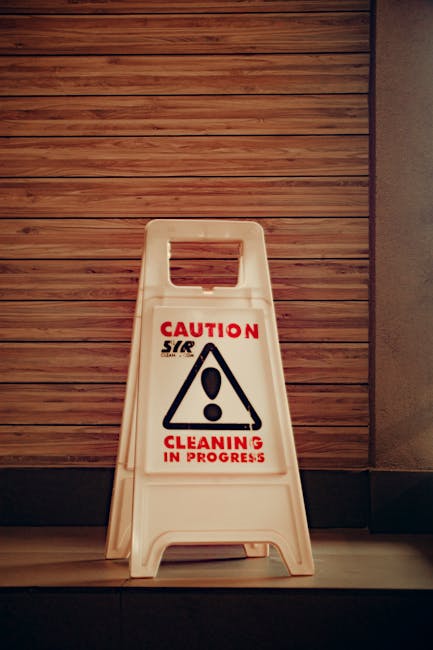
| Appropriate floor signs | Warns building users about temporary slip risks | Use them early, not after someone has already walked through |
| Gloves and other PPE | Protects against chemicals, waste, and rough materials | Choose PPE that fits the task and the worker |
| Site checklist | Keeps cleaning routine and risk controls consistent | Update it when the building changes |
| Waste bags and segregation bins | Supports safe disposal and tidier work areas | Particularly useful where food waste and recycling are both present |
| Documented safety policy | Shows expectations and responsibilities clearly | Useful for onboarding, audits, and client confidence |
If you are choosing a provider, the practical question is not "Do they have paperwork?" but "Do their tools, routine, and staff behaviour actually line up with the paperwork?" That is the real test. You will notice the difference quickly. A well-run service feels calm, not rushed.
For buyers comparing service terms and service reliability, it can also help to review terms and conditions and the way a provider approaches payment and security. They are not safety documents in the narrow sense, but they give you a clue about how organised the business is overall.
Law, Compliance, Standards, or Best Practice
This is the section where people sometimes want a hard rulebook. Fair enough. But office cleaning safety in the UK is usually shaped by a mix of legal duties, employer responsibilities, and common best practice. Exact obligations can depend on the building, the type of work, and who employs whom.
In plain English, the main idea is simple: anyone responsible for a workplace should take reasonable steps to protect staff, cleaners, visitors, and contractors from foreseeable harm. That includes safe systems of work, proper instruction, safe storage of substances, and suitable supervision where needed.
Best practice usually includes:
- having a clear health and safety policy that is actually followed
- carrying out task-specific risk assessments where needed
- providing training on chemicals, manual handling, and spill response
- keeping walkways clear and floors safe during cleaning
- making sure equipment is suitable and maintained
- reporting incidents and near misses, not brushing them off
There is also a human responsibility aspect, which sometimes gets lost in formal language. If someone says they are allergic to a product, if a staff member works odd hours, or if an area contains confidential material, those realities should shape the cleaning plan. Compliance is not just about paperwork; it is about sensible judgement.
For readers who want to see how a provider frames its approach in writing, the health and safety policy page is a helpful reference point. It is especially useful when you are comparing one cleaner's promises with another's.
Options, Methods, or Comparison Table
Different office cleaning approaches carry different risk profiles. Here is a simple comparison that helps clarify what tends to work best in real workplaces.
| Approach | Best for | Safety strengths | Watch-outs |
|---|---|---|---|
| Daily in-house cleaning | Small teams with predictable routines | Easy to control directly; staff know the building | May lack specialist training or consistent oversight |
| Contract cleaning | Regular office upkeep, shared spaces, evening cleans | Can bring trained staff, set procedures, and structured checks | Needs clear communication and a proper site briefing |
| Ad hoc or one-off cleaning | After events, refurbishments, or unusual mess | Useful for specific tasks when planned carefully | Higher risk if the cleaner does not know the site well |
| Specialist deep cleaning | Floors, carpets, upholstery, or problem areas | Better for targeted tasks with specific methods | Requires clear boundaries so it does not disrupt office use |
Most offices in Kingston will do best with a structured contract or regular arrangement, because repetition makes safety easier to maintain. The cleaner learns the site, and the site learns the cleaner's rhythm. That tends to reduce surprises, which is half the battle, really.
Case Study or Real-World Example
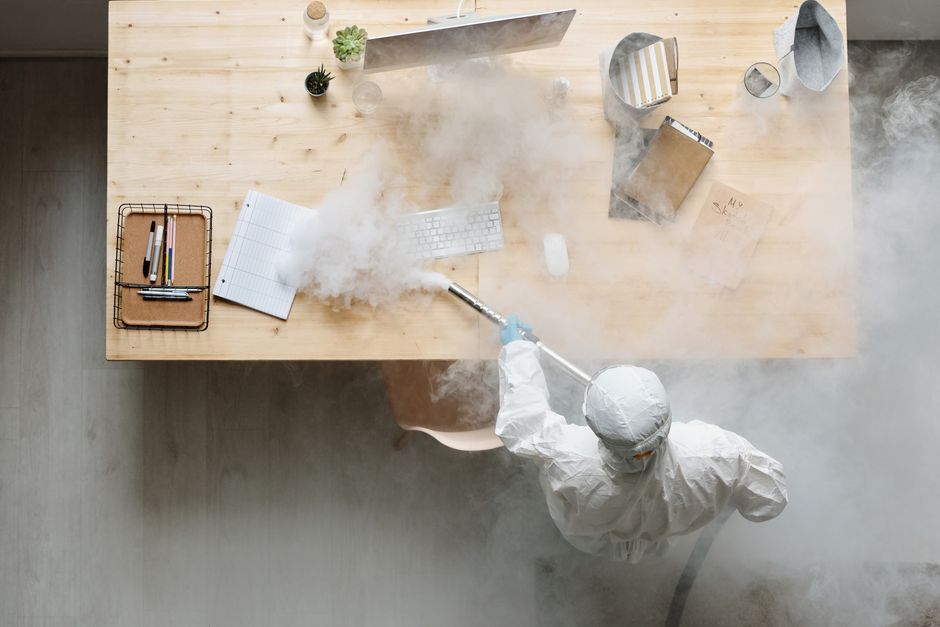
Picture a small professional office near Kingston town centre. Nothing dramatic: a reception desk, two meeting rooms, a shared kitchen, a narrow corridor, and a carpeted staff area. Cleaning happens after 6:30 pm, once most people have left, but a couple of employees occasionally stay behind to finish work.
At first, the office had the usual problems. A floor sign was sometimes left in the wrong place. The cleaner had to carry a bucket through a busy corridor. People kept plugging laptop chargers into the wrong socket, which made cable clutter worse. Nothing huge. Just a series of little friction points.
The fix was straightforward:
- the office manager gave a better site induction
- the cleaner was shown a safe route and storage area
- the kitchen was cleaned after hot drinks were finished
- wet-floor signs were placed before mopping started
- a short note was added for staff about leaving desks clear near vacuuming times
Within a couple of weeks, the atmosphere changed. Not because the office suddenly became perfect, but because everyone knew what to expect. The cleaner worked more smoothly, staff stopped stepping around equipment, and the evening shift felt calmer. That is what good safety practice often looks like in the real world: quieter, tidier, less chaotic. A bit boring, maybe. But boring is good when it comes to safety.
If you are moving between different cleaning needs, you may also want to read about related services such as office cleaning Kingston upon Thames and, where relevant, specialist support like end of tenancy cleaning Kingston upon Thames. Different jobs, yes, but the underlying discipline is similar: plan well, reduce risk, and keep communication clear.
Practical Checklist
Use this checklist before and during office cleaning. It is short on purpose.
- Has the site been walked through before cleaning starts?
- Are all access routes clear and easy to see?
- Do cleaners know which rooms are off-limits?
- Are the right products being used for each surface?
- Are chemicals labelled, stored safely, and used in the right strength?
- Are wet-floor signs available and used early enough?
- Have staff been told when cleaning will happen?
- Is PPE available for tasks that need it?
- Is waste separated and removed safely?
- Are spills, damage, and near misses reported promptly?
- Have cables, valuables, and sensitive documents been protected?
- Has the final walk-through been done before leaving site?
If you can tick most of those boxes, you are already ahead of many workplaces. Not flawless, maybe. But properly managed, which is what counts.
Get a free quote today and see how much you can save.
Conclusion
Health and safety rules for office cleaning Kingston upon Thames are not about bureaucracy for its own sake. They are about making a routine task safe, predictable, and professional. The best cleaning teams do not simply work hard; they work in a way that protects people, property, and the day-to-day flow of the office.
For Kingston businesses, that usually means a clear site briefing, sensible product use, proper waste handling, timed cleaning around staff movement, and a habit of reporting small issues before they become larger ones. It is not complicated, but it does require attention. And to be fair, that attention pays off very quickly.
If you are reviewing your current arrangement, ask yourself a simple question: would someone new to the building understand the safety process in five minutes, or would they have to guess? If the answer is guess, there is room to improve. And that is good news, because improvement is usually very achievable.
Get the basics right, keep the communication open, and the office starts to feel easier to manage. Little things, done properly, make a big difference.


