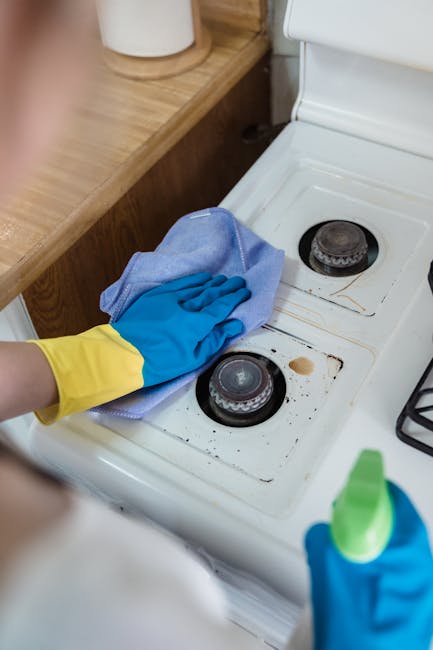
Deep oven cleaning before Christmas 2026 Kingston upon Thames
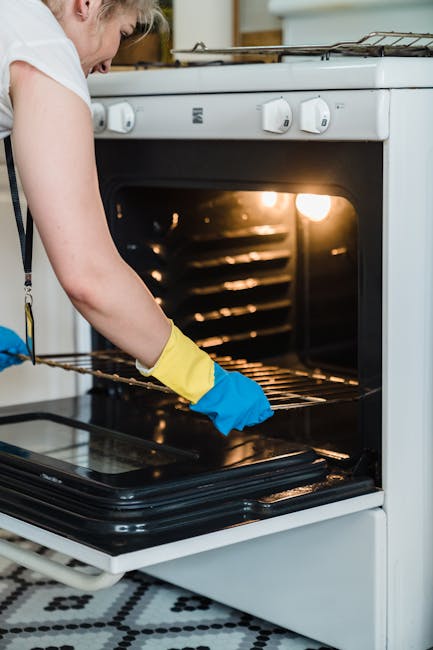
By the time December rolls around, the oven has usually had a busy year. Roast dinners, traybakes, late-night pizzas, the occasional bubble-and-squeak rescue meal - and then Christmas arrives and asks for even more. If you are thinking about deep oven cleaning before Christmas 2026 Kingston upon Thames, you are probably not just chasing a nicer-looking appliance. You want a cleaner kitchen, less smoke, better cooking results, and one less thing to worry about when the house is full and the oven is working overtime.
This guide walks through what deep oven cleaning actually involves, why it matters in a local Kingston upon Thames home, how the process works, when it makes sense to do it yourself or call in help, and what to expect from a proper service. It is practical, honest, and written for real homes - not showroom kitchens that somehow never see gravy. Let's get into it.
Why deep oven cleaning before Christmas 2026 Kingston upon Thames matters
Christmas cooking puts a very different kind of pressure on your oven. You may be using it for longer, at higher temperatures, and more often than usual. A layer of burnt-on grease, carbonised food residue, and old spillages can start to affect how it performs. Sometimes it is obvious: smoke drifting from the oven door, a bitter smell, black flakes in the bottom tray. Sometimes it is quieter than that. The food just seems a bit less crisp. A bit less even. A bit less reliable.
In a busy Kingston upon Thames household, a deep clean before the festive period can save you from exactly that awkward moment when the turkey is in and the oven starts smoking like it has a story to tell. It also helps if you are hosting guests, renting out a property over the holidays, or simply wanting the kitchen to feel fresh again after a long year. And truth be told, it is a better job to do before the Christmas rush rather than on the 23rd, when everything else is already on the edge.
There is also the comfort factor. A cleaned oven smells cleaner. It feels more manageable. The shelves slide properly, the glass lets you see what is happening, and the door seal is easier to inspect. Small things, yes. But they make a noticeable difference when you are juggling roasts, sides, desserts, and family opinions about how crispy potatoes should be.
Expert summary: A deep oven clean is not just cosmetic. It supports better cooking, reduces smoke and odours, helps you spot maintenance issues early, and makes Christmas preparation far less stressful.
If you are already planning wider home prep, this is often the moment people also look at deep cleaning, house cleaning, or a seasonal one-off clean so the whole property feels ready, not just the oven.
How deep oven cleaning before Christmas 2026 Kingston upon Thames works
A proper deep oven clean is more than a quick wipe with a kitchen spray. The aim is to remove built-up grease, food residue, burnt carbon, and grime from areas that everyday cleaning misses. That usually means the oven cavity, door glass, shelves, racks, trays, fan covers where accessible, seals, and sometimes the hob area nearby if splatter has made its way around the cooking zone.
Most professional processes follow a careful sequence. First, the technician inspects the oven type and condition. A single oven, double oven, range cooker, or integrated unit all need slightly different handling. Then removable parts are taken out and cleaned separately. The inside is treated with suitable products, often left to dwell for a controlled period, and then grease and residue are broken down and removed. The final steps usually include polishing the glass, reassembling parts, and checking the result so you are not left with sticky corners or cloudy patches.
That sounds straightforward, but the difference is in the detail. Burnt-on stains on fan elements, around corners, and behind racks can take patience. If a cleaner rushes the job, you will spot it the moment the oven heats up again. The smell comes back. So does the disappointment. Nobody wants that. Not in December, not ever.
For households with busy routines, pairing oven cleaning with domestic cleaning or house cleaning can be a sensible way to get the whole home in shape before guests arrive. If you are moving at the same time, move-in cleaning and move-out cleaning are often where oven cleaning becomes one of those must-do items rather than a nice extra.
Key benefits and practical advantages
The obvious benefit is a cleaner oven. Fair enough. But the real value goes further than appearance. Here is what people usually notice after a proper deep clean:
- Less smoke and less smell when the oven heats up.
- More even cooking, especially where old residue has been affecting heat flow.
- Better visibility through the glass door, which sounds minor until you are checking roast potatoes at 6:30pm.
- Less risk of burnt-on deposits interfering with regular use.
- A more hygienic cooking space for the festive period.
- Reduced stress when you are cooking for guests or family.
There is also a psychological benefit. A clean oven makes the whole kitchen feel under control. If the rest of the house still has shopping bags, wrapping paper, and a half-finished gingerbread house on the counter, at least the centre of the cooking action is sorted. That helps more than people admit.
For landlords, hosts, and property managers in Kingston upon Thames, a clean oven can also improve the impression left at handover, especially when used as part of end of tenancy cleaning, airbnb cleaning, or a holiday turnover plan. In those settings, the oven is often one of the first places people check, because it quietly reveals how much care the property has had.
Who this is for and when it makes sense
Not every oven needs a deep clean at the same pace, but some homes will feel the benefit much more than others. If you cook most days, fry foods, use roasting bags, or often bake items that spill and caramelise, your oven will build residue faster. If the kitchen is used by multiple people, the build-up can happen without anyone noticing. It just creeps in. A little here, a little there.
This service makes particular sense for:
- busy families preparing for Christmas lunch and repeated festive cooking
- households that have not deep cleaned the oven in a long while
- people sensitive to smoke, odours, or greasy residue
- landlords and tenants preparing for move-out inspections
- short-let or Airbnb hosts who need the kitchen to feel immaculate
- homeowners who want the appliance to perform properly without a weekend lost to scrubbing
If the oven door glass has become heavily stained, if shelves are browned and sticky, or if there is visible carbonised residue at the bottom, that is usually the point where a deep clean becomes the sensible option rather than a cosmetic one. You can keep trying with surface wipes, but the job tends to stay half-done. And half-done oven cleaning is one of those things that looks like progress until you switch the oven on.
For some homes, especially where there are pets or lots of cooking odours, it can also tie into services like pet stain odour removal, stain removal, or broader one-off cleaning if the whole space needs a reset before the season begins.
Step-by-step guidance
If you are planning to do the job yourself, or you simply want to understand what a professional cleaner should be doing, this step-by-step outline will help.
- Turn the oven off and let it cool fully. This sounds obvious, but it is where rushed jobs start to go wrong.
- Remove shelves, trays, and racks. These parts usually collect the thickest grease and can be cleaned separately.
- Protect nearby surfaces. Towels or absorbent cloths help catch drips and keep the kitchen tidy.
- Apply an appropriate cleaning solution. Use only products suitable for your oven type and finish.
- Allow dwell time. This is the bit many people skip. Let the cleaner do the work before you scrub.
- Work on the stubborn areas. Pay attention to corners, corners again, and the door glass.
- Wipe residue away carefully. Remove all product traces so they do not burn off later.
- Clean and dry the removable parts. Refit only when fully dry and safe.
- Check the result in daylight if possible. Evening kitchen lighting can hide stubborn grime. Morning light does not.
If you are hiring help, ask how they handle the door glass, fan area, seals, and extraction of removable parts. A good cleaner should explain the process clearly and not sound vague. If they are cagey about method, that is worth noting. Not a red flag by itself, but worth a pause.
For best household planning, many people schedule oven cleaning alongside regular cleaning or house cleaning a few days before the main festive shop, so the kitchen is already in good shape when the big grocery bags arrive.
Expert tips for better results
Here is the practical stuff that tends to make the difference between a decent clean and a genuinely impressive one.
1. Clean before the oven is at its worst. If you leave it until there is a thick layer of carbonised residue, the job becomes harder and often needs more dwell time and more repetition.
2. Don't forget the glass. Many people focus on the cavity and then live with a cloudy door. It is a small detail, but it changes the whole look of the kitchen.
3. Check seals and hinges while you are there. If the door is not closing properly or the seal looks damaged, cleaning alone will not solve the problem.
4. Avoid mixing cleaning products. This is one of those "obvious when you say it" points, yet people do it all the time. Not worth the risk.
5. Keep a lighter maintenance routine after the deep clean. A quick wipe after heavy use is much easier than facing a full reset every few months.
6. Do the job when you have time to finish it. Rushing an oven clean because guests are due in two hours is how streaks, patches, and frustration happen.
To be fair, the oven is one of those appliances that rewards patience more than brute force. The good news is that once it is done properly, the relief is immediate. You can smell the difference when it heats up. That slightly burnt background odour is just gone.
If you also have fabric in the kitchen area - perhaps dining chairs, curtains, or a family sofa close to the cooking space - consider how surrounding items absorb odours over time. It may be sensible to think about curtain cleaning, sofa cleaning, or upholstery cleaning as part of the same seasonal reset.
Common mistakes to avoid
A lot of oven cleaning problems come from good intentions and a bit of impatience. The classic mistakes are familiar.
- Using the wrong product for the oven type. Not every cleaner suits every finish.
- Scrubbing too early. If the solution has not had time to work, you are just making extra effort for a weaker result.
- Forgetting hidden grease traps. Around the door lip, under racks, and at the back of the cavity are common misses.
- Leaving residue behind. That can lead to smell, smoke, or a sticky finish later.
- Putting the shelves back while damp. It seems harmless. It is not ideal.
- Ignoring maintenance until Christmas week. That is when the oven seems to develop new energy for making life awkward.
There is also the mistake of thinking the oven is "basically clean" because it looks fine from the front. Open the door. Look at the racks. Check the base. That usually tells the truth faster than the exterior does. Ovens are honest in a rude sort of way.
For larger homes or households where the kitchen sees heavy traffic, avoiding these mistakes may also mean scheduling a more complete deep cleaning visit rather than trying to tackle everything in one exhausted evening.
Tools, resources and recommendations
If you are doing some or all of the work yourself, the right tools make the process calmer and cleaner. You do not need a cupboard full of specialist kit, but a few basics help a lot.
| Item | Why it helps | Good for |
|---|---|---|
| Microfibre cloths | Lift residue well and leave fewer streaks | Glass, seals, final polish |
| Non-scratch sponge | Helps with baked-on residue without damaging finishes | Doors, sides, shelves |
| Suitable oven cleaner | Breaks down grease more effectively than general spray | Interior surfaces |
| Gloves | Protects hands from detergents and residue | Whole process |
| Old towels or cloths | Catches drips and protects the floor | Kitchen protection |
| Small brush or detailing tool | Reaches corners and edges | Stubborn build-up |
If you are choosing a professional service, look for plain, clear explanations of what is included. Good providers usually describe the process, mention how they handle removable parts, and set realistic expectations about staining that may have become permanent rather than pretending every mark will disappear like magic. Honest wording matters. It builds trust.
It also helps to check service information on practical matters such as pricing and quotes, payment and security, and the company's general approach to insurance and safety. Those pages are not glamorous, but they matter when you are inviting someone into your home and want confidence that the basics are handled properly.
Law, compliance, standards, or best practice
For domestic oven cleaning in Kingston upon Thames, the main point is usually best practice rather than heavy regulation. You want products used safely, good ventilation, sensible handling of detergents, and proper care around hot surfaces and electrical components. If a service provider is working in your home, it is reasonable to expect them to understand safe use of chemicals, to avoid mixing substances, and to protect surrounding surfaces.
In the UK, professional cleaners are generally expected to work carefully with cleaning agents, follow manufacturer guidance, and respect household safety. If a property has vulnerable occupants, pets, or specific access considerations, that should be discussed before work begins. That is just common sense, but common sense is not always common enough.
For businesses, short-let hosts, and communal properties, the standard rises a bit further. A cleaner should be able to work around site rules, access arrangements, and any relevant health-and-safety expectations. If you are arranging cleaning for a managed building or shared space, it can be worth reviewing communal area cleaning alongside the kitchen work, especially if several people use the same facilities.
Waste handling is another consideration. Greasy cloths, spent packaging, and residue should be disposed of responsibly. Where possible, recycling and sensible material use should align with the company's broader environmental approach. If that matters to you - and for many Kingston households it does - take a look at their recycling and sustainability position before booking.
Options, methods, or comparison table
There are three main ways people approach oven cleaning before Christmas. Each has its place.
| Method | Best for | Pros | Cons |
|---|---|---|---|
| DIY quick clean | Light residue and routine upkeep | Cheap, fast, easy to schedule | Limited on burnt-on grease, time-consuming if the oven is dirty |
| DIY deep clean | Moderate build-up and patient homeowners | More control, no service booking needed | Can be messy, tiring, and easy to under-clean hidden areas |
| Professional deep clean | Heavy build-up, busy households, pre-Christmas resets | Thorough, efficient, less hassle | Costs more than DIY and requires booking ahead |
In real life, the "best" choice depends on time, condition, and tolerance for scrubbing. If the oven has only a light film of grease, DIY maintenance may be enough. If the door is yellowed, the racks are blackened, and the kitchen smells smoky after every Sunday roast, a professional clean is usually the calmer choice. You will know when you have moved from "a chore" into "a project."
For some households, it is smart to combine the oven with other tasks that use the same practical window, such as carpet cleaning, steam carpet cleaning, or window cleaning. That way, the whole home feels properly reset before guests arrive.
Case study or real-world example
A Kingston upon Thames family preparing for a full house Christmas had not had the oven deep cleaned for well over a year. They kept meaning to do it themselves after Sunday lunch, but the week would get busy and the plan kept sliding. By early December, the oven was still working, but the smell was beginning to bother them, especially during long roasts.
They booked a deep clean as part of a larger pre-Christmas tidy-up. The most noticeable changes were not just visual. The oven window cleared up, the thick residue around the base was removed, and the cooking smell became much cleaner when the oven reheated. The family said the kitchen felt easier to use immediately, which makes sense. When a key appliance is clean, you stop thinking about it and just get on with cooking.
There was one small snag - a stubborn stain on one shelf that had clearly been there for ages. That did not fully vanish, which is exactly why realistic expectations matter. Some marks are deeply set. A good service will reduce them dramatically, but not promise fairy-tale results where they are not possible. That honesty is worth more than glossy promises.
That same household also arranged a little extra help with domestic cleaning and a targeted tidy of dining areas, and the difference was bigger than they expected. Not dramatic in a magazine-ad way. Just calmer, neater, easier to live in. Sometimes that is the real win.
Practical checklist
Use this checklist if you are preparing for festive cooking and want to make sure nothing gets missed.
- Check the oven condition at least a couple of weeks before Christmas.
- Decide whether the clean is routine maintenance or a full deep clean.
- Remove trays, racks, and accessories before any cleaning begins.
- Make sure the oven is fully cool and disconnected from immediate use.
- Gather suitable cloths, gloves, and safe products if doing it yourself.
- Inspect the door glass, seals, and corners carefully.
- Allow enough time for dwell, scrub, rinse, and dry.
- Check whether other kitchen cleaning tasks should be grouped together.
- If booking a service, ask what is included and how long it usually takes.
- Do a final wipe and visual check before putting the oven back into daily use.
A small but helpful habit: take a quick look at the oven after your first big festive cook, not after the third one. Catching fresh splatter early is so much easier than waiting for it to harden into December folklore.
Conclusion
Deep oven cleaning before Christmas 2026 Kingston upon Thames is one of those jobs that pays you back in several quiet ways. The kitchen smells better. Cooking becomes easier to trust. The oven looks and performs more like it should. And the whole Christmas preparation process feels slightly less frantic, which is no small thing when the calendar starts filling up.
If your oven has been quietly collecting grease and burnt-on residue all year, now is the time to sort it out rather than leaving it to the busiest week of December. Whether you do it yourself or bring in help, the key is to plan early, use the right method, and avoid the common shortcuts that lead to patchy results. Small effort now, big relief later.
If you would like a straightforward, professional approach, explore the relevant service information and book with confidence. A clean oven makes Christmas cooking feel easier, calmer, and just a little more enjoyable.
Get a free quote today and see how much you can save.
Frequently Asked Questions
How early should I book deep oven cleaning before Christmas 2026 in Kingston upon Thames?
Ideally, book a few weeks before you plan to cook heavily for the holidays. That gives you flexibility if appointments fill up and leaves time to deal with any stubborn areas or related cleaning tasks.
What does a deep oven clean usually include?
It normally includes the oven cavity, shelves, racks, trays, door glass, and other removable parts, plus a careful clean of grease and burnt-on residue. Exact details can vary, so it is worth checking what is included before booking.
Will deep oven cleaning remove every stain?
Not always. Some marks are heavily baked in or may have permanently altered the surface. A proper deep clean should make a big difference, but honest providers will not promise miracles where the material has been damaged.
Is it better to clean the oven myself or hire a professional?
If the build-up is light, DIY cleaning can be enough. If the oven is heavily soiled, time is tight, or you want a thorough result without the hassle, a professional clean is usually the better choice.
How long does deep oven cleaning take?
That depends on the size and condition of the oven. A lightly used appliance is quicker than one with thick carbonised residue. A professional can usually give a realistic time estimate when they assess the job.
Can oven cleaning help with smoke and bad smells?
Yes, often it can. A lot of smoke and lingering odour comes from burnt grease and residue heating up inside the oven. Removing that build-up usually improves the smell noticeably.
Should I clean the oven before or after Christmas dinner?
Before, definitely. Cleaning afterwards is still useful, but the real benefit before Christmas is that you avoid smoke, smell, and awkward last-minute scrubbing when you should be cooking instead.
Do I need to empty the kitchen before the cleaner arrives?
You do not need to clear the whole room, but it helps to remove loose items from around the oven and make access easy. A tidy workspace usually means a better, faster result.
Is oven cleaning safe for all oven types?
Most standard domestic ovens can be cleaned safely when the right method is used. However, different finishes and integrated appliances may need different care, so a good cleaner will assess the unit first.
Can oven cleaning be combined with other services?
Yes, and that is often a smart move before Christmas. Many people combine oven cleaning with domestic cleaning, house cleaning, carpet cleaning, or window cleaning so the whole home feels ready.
What should I ask before booking a service?
Ask what is included, how they handle shelves and glass, whether they use suitable products for your oven type, and how they approach safety and insurance. Clear answers are usually a good sign.
Why does my oven still smell after I wipe it down?
Because surface wiping only removes what is easy to reach. Hidden grease, old spills, and baked-on residue can still burn off when the oven heats up. That is why a deep clean is often needed.