Boat and riverside cleaning Kingston Bridge and Canbury Gardens
Posted on 10/06/2026
If you spend time near Kingston Bridge or along the edge of Canbury Gardens, you will know the riverfront has a very particular feel: busy in places, calm in others, and always exposed to the same two enemies - grime and weather. Boat and riverside cleaning Kingston Bridge and Canbury Gardens is not just about making a spot look neat for a few hours. It is about preserving a shared public space, protecting moorings and access points, and keeping the waterside pleasant for everyone using it, whether they are walking a dog, unloading a dinghy, or opening up a business near the river. Truth be told, it can be a fiddly job. But done well, it makes a visible difference.
This guide breaks down what the work involves, who it suits, how to approach it safely, and what good practice looks like in a real Kingston setting. You will also find a checklist, comparison table, and practical examples drawn from the kind of riverside conditions people actually deal with.

Contents
- Why this kind of cleaning matters
- How the work is carried out
- Key benefits and practical advantages
- Who this is for and when it makes sense
- Step-by-step guidance
- Expert tips for better results
- Common mistakes to avoid
- Tools, resources and recommendations
- Law, compliance and best practice
- Options, methods and comparison
- Case study or real-world example
- Practical checklist
- Conclusion
- Frequently asked questions
Why Boat and riverside cleaning Kingston Bridge and Canbury Gardens Matters
Kingston's river edge is not a sealed, private surface. It is a living public environment with footfall, wildlife, changing water levels, splashback, bird mess, tannin stains, algae, litter, and the odd bit of windblown debris that arrives with no warning at all. The result? Surfaces can look tired quickly, even when they were cleaned recently.
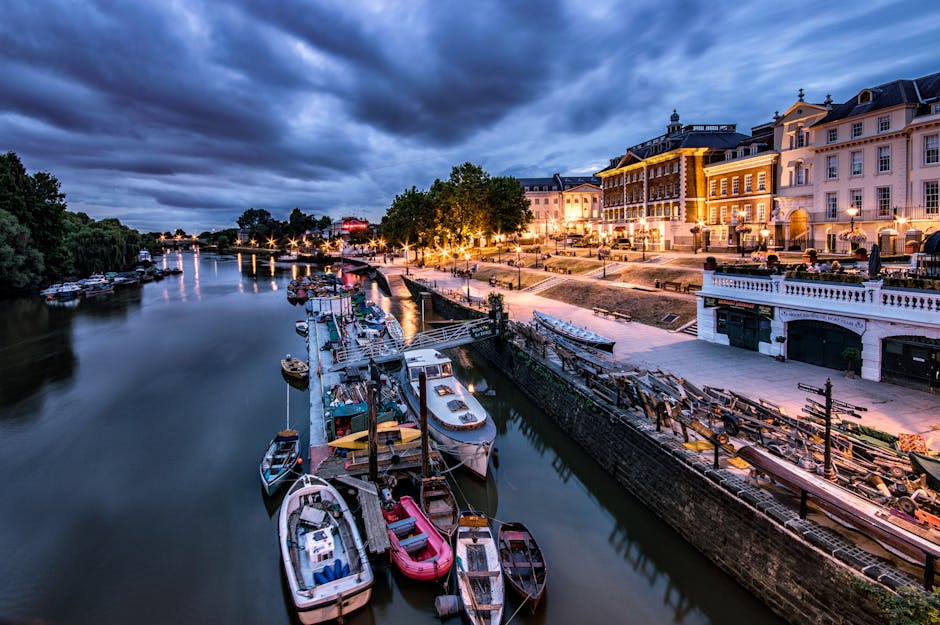
At Kingston Bridge, the visual standard matters because the area acts like a gateway. People arrive, stop, look around, and form an impression fast. Canbury Gardens has a slightly different feel - more relaxed, more recreational - but the expectation is similar: paths, edges, and nearby boating areas should feel cared for, not neglected. A clean riverside makes the whole area feel safer and more welcoming. That is not hype; you notice it the moment the paving is free of slippery film and the railings are not coated in residue.
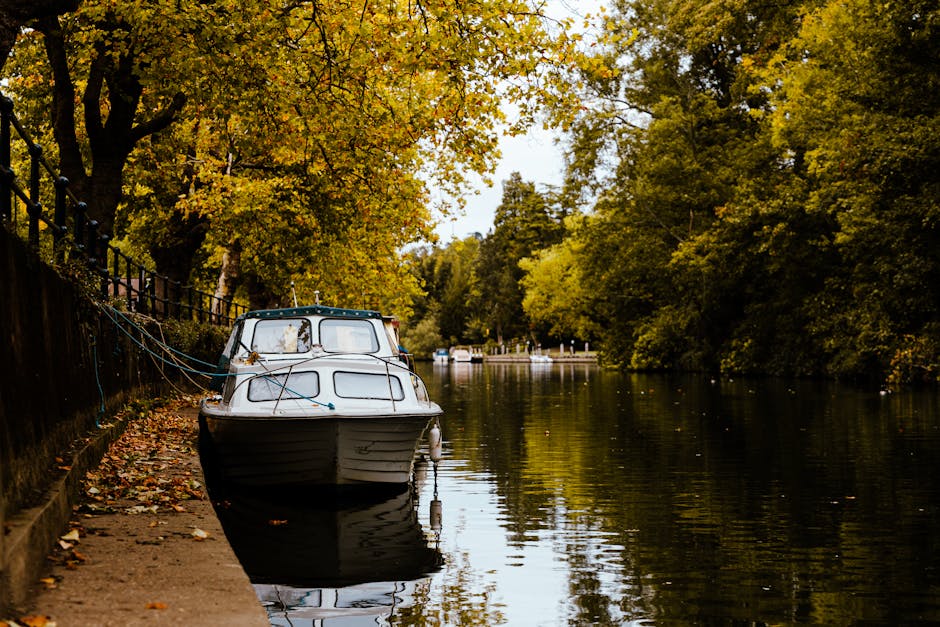
For boats, the same principle applies. A hull with grime build-up is harder to maintain, can show wear earlier, and simply does not present well. If you are managing a pleasure craft, workboat, or moored vessel near this part of Kingston, regular cleaning helps you spot damage sooner. A small scrape, a loose fitting, or staining around the waterline can be easier to miss when everything else is dirty. And yes, that can cost more later.
There is also a community angle. Riverside areas are shared spaces. One badly managed clean-up - think dirty water run-off, careless sweeping, or waste left behind - can undo the benefit of a good clean in minutes. That is why responsible cleaning near the river is part maintenance, part respect. Simple, but important.
How Boat and riverside cleaning Kingston Bridge and Canbury Gardens Works
There is no single way to clean a boat and the surrounding riverside well. The right method depends on the surface, the level of staining, the weather, and how close you are to the water. In practice, a good cleaning plan usually separates the task into zones: the boat itself, hard landscaping, access points, and the finer details like railings, steps, benches, and slip-prone patches.
For boats, cleaning normally starts with a gentle rinse to lift loose dirt, followed by a suitable detergent or marine-safe cleaner. The goal is to remove salt residue, silt, bird droppings, fuel film, and general buildup without damaging paint, gel coat, varnish, or seals. On riverside paving and steps, the process is often more careful than aggressive. A pressure washer might be appropriate in some cases, but not everywhere. Too much force can spread grime, drive water into joints, or leave the area looking patchy. To be fair, over-cleaning is a thing.
Near Kingston Bridge and Canbury Gardens, access can be awkward. You may have pedestrians passing, anglers nearby, boats moving, cyclists, dogs, and the general stop-start rhythm of a busy riverside. That means the cleaner has to work in stages, manage barriers or signage where needed, and keep an eye on runoff. Good cleaners also think about timing - early mornings or quieter windows often work better, especially where foot traffic is heavy.
For more routine property and maintenance context in the area, some readers also look at the wider cleaning services overview and related local guidance such as Kingston Council rules for waste from cleaning jobs. Those resources help put riverside work into a broader maintenance picture.
One thing people often miss: drying and final inspection matter almost as much as the wash itself. A quick rinse is not enough if the surface is left with streaks, standing water, or residue along edges. The finish should look deliberate. Clean, but not slippery. Fresh, but not stripped.
Key Benefits and Practical Advantages
The benefits of regular boat and riverside cleaning are practical first, visual second. That might sound the wrong way round, but it is true.
- Improved safety: Algae, wet silt, and organic film can make surfaces far more slippery than they look.
- Better presentation: A clean waterside improves the impression of the whole area, especially around entrances, moorings, and viewing points.
- Lower maintenance wear: Dirt can hold moisture against surfaces and fittings, which is never helpful.
- Easier inspections: Clean surfaces make it simpler to spot chips, rust, cracks, and loose fixings.
- More comfortable use: Families, visitors, and boat users are more likely to use a space that feels cared for.
There is also a subtle but real benefit for local businesses and community-facing sites. People tend to assume a tidy riverside means a site is well managed overall. That does not solve every problem, obviously, but it does shape perception. A lot.
If you manage nearby indoor spaces as well, the logic is similar. Regular upkeep in one part of the environment often reduces pressure elsewhere. For example, owners who already invest in domestic cleaning in Kingston upon Thames or house cleaning in Kingston upon Thames often understand that exterior areas need the same kind of consistency, just with different tools and a little more patience.
Another advantage is continuity. Once a riverside area is cleaned properly and kept on a schedule, the next clean is usually easier. You are not fighting layers of buildup every time. That saves effort, time, and usually a bit of money too.
Who This Is For and When It Makes Sense
This kind of cleaning is for more people than you might think. It is not just for boat owners with a polished launch schedule or premium riverside venues. In Kingston, it can make sense for a fairly broad mix of users.
- Boat owners who moor near Kingston Bridge or use the river regularly.
- Property managers responsible for riverside-facing buildings or shared access areas.
- Hospitality venues that benefit from a clean first impression outdoors.
- Event organisers who need temporary tidying after gatherings or seasonal use.
- Local residents who want cleaner communal surroundings and safer pathways.
It also makes sense after periods of heavy rain, windy weather, or busy weekends. The river seems to collect mess from nowhere. One minute everything looks acceptable, and the next there is a line of leaf sludge along the edge and footprints across the path. The timing is rarely elegant.
For those comparing local upkeep needs with other property decisions, it can help to read local opinions on whether Kingston is right for you. It gives a sense of how residents think about day-to-day living, which is useful when you are weighing up maintenance priorities around the river.
If you are deciding whether the work is worth scheduling now, ask a simple question: is the area just a bit dusty, or is it creating a real slip, smell, or appearance problem? If the answer is yes, do not let it slide. Riversides rarely improve on their own. Annoying, but there it is.
Step-by-Step Guidance
Here is a practical way to approach boat and riverside cleaning without turning it into a muddle.
- Survey the area first. Look for algae, bird droppings, oil marks, litter, rust bleed, or staining around the waterline and access points.
- Separate the surfaces. A boat hull, painted railing, timber bench, stone step, and paved path each need a different touch.
- Choose the least aggressive method that works. Mild detergent and agitation may be enough. High pressure is not always the answer.
- Protect the water edge. Avoid letting wash water or loosened debris flow directly into the river.
- Work from clean to dirty. Start at the top or least contaminated area and move downwards.
- Rinse properly. Leftover detergent leaves streaks and can make hard surfaces feel tacky.
- Check high-touch points. Handles, edges, handrails, and steps usually collect the most residue.
- Inspect the finish. Walk the site once more. You will spot the missed bit near the corner, always.
For an actual boating surface, a good routine often includes decontaminating the hull, checking the waterline, wiping fittings, and making sure any metal parts are dried rather than left damp. For the riverside itself, the final pass should focus on slip risk and visual consistency. Does the area look cleaned or just washed around?
That distinction matters. A lot of jobs look fine from five metres away and then fall apart when you stand right on top of them. Happens more than you'd think.
Expert Tips for Better Results
Here are the small things that tend to separate an average clean from a good one.
- Use gentler products near sensitive finishes. Boat surfaces, painted railings, and older stone can be damaged by harsh chemicals.
- Clean on a dry-enough day if possible. You can still clean in mixed weather, but heavy drizzle or strong wind makes runoff and debris harder to control.
- Bring absorbent materials for small spills. They are useful for accidental drips, oily residue, or dirty puddles.
- Keep a separate cloth or brush for metal fittings. It stops contamination from one area spreading to another.
- Watch the tide and waterline conditions. Even on the Thames, conditions shift enough to affect access and finish quality.
If you are working near public paths, try to think like a passer-by. Would you feel comfortable stepping around the area in light shoes? Would you trust it on a damp morning? Those are the little human tests that really matter.
One practical tip that gets overlooked: do a second rinse where residue tends to collect, especially around corners, joints, and the base of posts. That tiny extra bit of effort saves a lot of patchy drying later. Honestly, it is worth the five minutes.
For broader housekeeping support, local users often find it useful to align exterior maintenance with interior schedules. If the property also needs office cleaning in Kingston upon Thames or local residential upkeep, bundling work can reduce disruption and make the whole routine feel less like a never-ending list.
Common Mistakes to Avoid
Riverside cleaning looks straightforward until one small mistake creates more work than the original mess.
- Using too much pressure: This can strip coatings, scatter dirt, and damage softer surfaces.
- Ignoring runoff: Dirty water should not simply be pushed toward the river or left to pool near access points.
- Cleaning the boat but not the surrounding edge: The result looks unfinished, like polishing one shoe only.
- Forgetting safety barriers: Public areas need clear separation while work is taking place.
- Using one product for everything: That approach is tempting. It is also usually a bad idea.
- Skipping the final check: Missed residue, streaks, and drips are often only obvious at the end.
A smaller mistake, but still common, is trying to rush the job because the weather looks uncertain. You end up with half-cleaned surfaces, wet footprints, and a back-and-forth workflow that feels more stressful than necessary. Better to plan properly and finish once.
If you are already budgeting for maintenance, it may help to compare related work. Readers often look at carpet cleaning cost guidance in Kingston upon Thames or even flat cleaning cost comparison insights for KT2 to understand how local cleaning pricing is framed more broadly. Not the same job, of course, but the budgeting mindset is similar.
Tools, Resources and Recommendations
The best tools depend on the surface, but a sensible riverside cleaning kit usually includes the following:
- Soft and medium brushes for different textures
- Microfibre cloths for fittings, rails, and final drying
- Marine-safe or surface-appropriate detergent
- Bucket, water containers, and rinse equipment
- Absorbent pads or cloths for minor spills
- Gloves and non-slip footwear
- Warning signs or temporary barriers if the area is public
For homeowners and businesses, it can be helpful to look at the full range of local cleaning support before deciding what to tackle in-house. The services overview is a sensible place to understand how different cleaning needs fit together. You may realise the riverside work is part of a wider maintenance pattern rather than a one-off task.
Another useful reference point is how cleaning work is handled after events or high-footfall periods. For example, Kingston's top party locations can offer context for why some local spaces need more frequent tidying than others, especially after busy weekends or seasonal gatherings.
As a rule, choose tools that let you control the clean rather than overpower it. That is especially true near historic or high-use waterside areas. Less drama, better finish.
Law, Compliance, Standards, or Best Practice
Cleaning by the river comes with more responsibility than a routine indoor job. You are working near public access, water, wildlife, and sometimes shared or managed property. That means best practice should include careful waste handling, sensible product choice, and a clear eye on slip and trip risk.
In the UK, the general expectation is that cleaning activities should not create nuisance, unsafe runoff, or unmanaged waste. If waste is generated, it should be dealt with responsibly and in line with local requirements. The exact details can vary depending on the site and what is being removed, so it is wise not to assume. If you are dealing with anything oily, hazardous, or unusually dirty, take extra care and follow suitable handling steps.
For businesses or managed properties, health and safety thinking should be visible in the way the job is planned: access control, public warnings, surface drying, and safe working methods. That is where a provider's own standards matter. It is worth checking the approach described in the site's health and safety policy and the practical assurances in insurance and safety information when choosing who should handle the work.
If you are unsure, the safest course is usually simple: keep chemicals modest, keep runoff contained, and keep people informed. Not glamorous, but it works.
Options, Methods, or Comparison Table
Different riverside cleaning methods suit different situations. Here is a straightforward comparison to help with planning.
| Method | Best for | Strengths | Limitations |
|---|---|---|---|
| Manual wash and brush | Boat surfaces, delicate railings, lighter buildup | Controlled, gentle, low-risk | Slower on large areas |
| Low-pressure rinse with detergent | Moderate grime on boats and paving | Good balance of speed and control | Needs careful runoff management |
| Targeted pressure cleaning | Hard surfaces with stubborn staining | Fast and effective on tough deposits | Can damage soft finishes or spread mess |
| Scheduled maintenance cleaning | Busy public watersides, regular moorings | Prevents buildup and reduces heavy cleans | Needs planning and consistency |
In practice, many Kingston riverside sites benefit most from a combination: gentle routine work, then occasional deeper cleaning where the build-up is worse. That is usually more sustainable than jumping straight to aggressive methods every time.
Case Study or Real-World Example
Imagine a small riverside stretch near Kingston Bridge used by a boat owner, a cafe facing the water, and a few pedestrians passing through on weekend mornings. After a wet spell, the stone edge has a green film, the railings have fingerprints and residue, and the boat has a visible tide mark with river grime along the hull. Nothing dramatic. Just enough to feel shabby.
The owner starts by separating the job into stages. The boat is cleaned first with a mild marine-safe product and soft brushing. Next, the stone edge is treated with a low-pressure wash and manual agitation around the worst patches. The railings are wiped down by hand so the finish stays even. Finally, the whole area is checked for slippery spots and any loose debris is collected.
The useful lesson here is not that the work was complicated. It is that the sequence mattered. The clean looked better because each surface was treated according to its own needs. If the whole area had been blasted in one go, the boat fittings might have been left wet and the paving could have still been slick. That would have been a halfway job, really.
For local property owners balancing waterside upkeep with indoor priorities, this kind of careful, layered maintenance often sits alongside services such as carpet cleaning in Kingston upon Thames or upholstery cleaning in Kingston upon Thames. Different surfaces, same principle: use the right method, and avoid shortcuts that create another problem later.
Practical Checklist
Use this checklist before and after a riverside clean.
- Check the weather and footfall window.
- Identify the surfaces to be cleaned and separate delicate materials from hard ones.
- Prepare suitable products and test a small area if needed.
- Set up any barriers or warning notices required for public safety.
- Keep runoff under control and avoid letting waste wash straight into the river.
- Clean the boat, then the surrounding river edge, then the details.
- Rinse properly and dry touch points where practical.
- Inspect for missed stains, slippery residue, or debris at the waterline.
- Dispose of waste responsibly.
- Record anything that needs follow-up, such as rust, damage, or recurring staining.
A tiny note from experience: if you skip the final inspection, that is usually exactly when the missed patch shows up. It has a sense of humour, that one patch.
Get a free quote today and see how much you can save.
Conclusion
Boat and riverside cleaning Kingston Bridge and Canbury Gardens is one of those jobs that looks simple until you do it properly. Then you realise it needs judgement, restraint, and a decent eye for detail. The best results come from matching method to surface, keeping public safety in mind, and treating the river edge as a shared space rather than just a cleaning target.
If you stay consistent, the benefits stack up: safer paths, better presentation, less wear, easier inspections, and a place that simply feels more looked after. That matters in Kingston. People notice. They always do.
And if you are planning work near the river, it is worth thinking about the wider upkeep picture too. A well-maintained riverside sits more comfortably alongside a clean home, a tidy business, and a calmer week. Not a bad outcome for a morning's work.
Keep it careful, keep it clean, and the riverfront will reward you with a far better first impression.