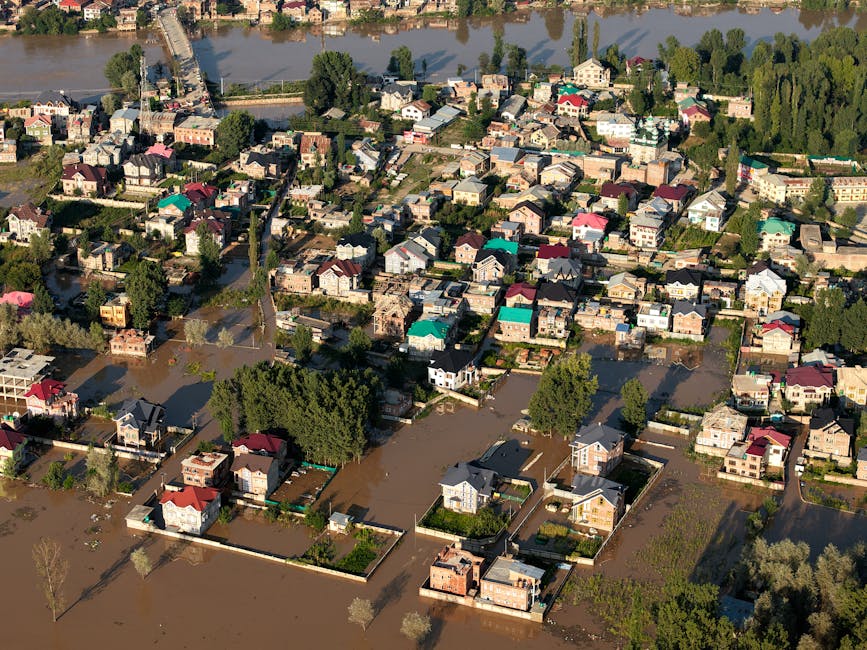
After flood emergency cleaning Kingston upon Thames urgent: what to do, what to avoid, and how to get control fast
When a property floods, the first few hours can feel frantic. Floors are wet, belongings are in the wrong place, the smell starts to change, and every room seems to need attention at once. If you are searching for After flood emergency cleaning Kingston upon Thames urgent, you probably need clear next steps, not vague reassurance. Fair enough.
This guide explains what urgent post-flood cleaning actually involves, why speed matters, how the process works in a typical Kingston upon Thames home or business, and what sensible decisions to make before the damage spreads. It also covers safety, practical priorities, and the kind of detail people usually wish they had earlier. Let's face it: flood damage gets more complicated the longer it sits.
Whether the water came from a burst pipe, heavy rain, a backed-up drain, or an overflowing appliance, the goal is the same: make the space safe, dry it properly, remove contamination, and reduce the chance of mould, odour, and further repair costs. In Kingston, where properties range from riverside flats to family homes and busy commercial spaces, the right response often needs to be quick and very methodical.
Table of Contents
- Why urgent flood cleaning matters
- How the emergency cleaning process works
- Key benefits and practical advantages
- Who needs this service and when it makes sense
- Step-by-step guidance
- Expert tips for better results
- Common mistakes to avoid
- Tools, resources and recommendations
- Law, compliance, standards, or best practice
- Options, methods, or comparison table
- Case study or real-world example
- Practical checklist
- Conclusion
- Frequently asked questions
Why After flood emergency cleaning Kingston upon Thames urgent Matters
Floodwater is not just "wetness on the floor". It can carry dirt, bacteria, grit, garden debris, food waste, or even sewage depending on the source. Even clean-looking water can cause serious problems if it is left in carpets, under skirting boards, inside cupboards, or beneath laminate flooring. You may not see the damage straight away. That is the tricky part.
The urgency comes from three things: contamination, structural damage, and moisture growth. Water can soak into plasterboard, insulation, timber, and soft furnishings faster than most people expect. Once materials stay damp, the room may begin to smell stale or earthy, and then mould risk rises. In a busy household, that can mean disrupted routines, ruined flooring, or belongings needing specialist cleaning or disposal.
In Kingston upon Thames, urgent flood cleaning also matters because many properties have mixed-age construction, shared access, or limited drying space. A flat off a main road, a riverside property, or a small office can all be affected in very different ways. One place may need quick extraction and sanitising; another may need careful sectional drying and waste removal. Same flood, different mess.
Expert summary: the best urgent response is not simply "clean it quickly". It is assess, isolate, remove standing water, clean safely, dry thoroughly, and check hidden moisture before the problem quietly comes back.
To be fair, people often focus on the visible puddles first. That is natural. But the hidden moisture behind furniture or under flooring is often what causes the real headache later.
How After flood emergency cleaning Kingston upon Thames urgent Works
Urgent flood cleaning is usually a staged process. The exact order depends on the cause of the flood and the condition of the property, but a proper service should follow a logical sequence rather than jumping straight to mopping. If you have ever seen a room "cleaned" while still soaking underneath, you will know why this matters.
1. Initial assessment and safety check
The first step is to check what kind of water is involved and whether it is safe to enter. Clean water from a burst pipe is very different from contaminated water from an overflowing toilet or drain. Electricity, slip hazards, and weakened materials must be considered before anything else. In some situations, you should not walk through the affected room until power is isolated or a professional says it is safe.
2. Water removal and extraction
Standing water is removed as quickly as possible. This may involve pumps, wet vacuums, or other extraction equipment. The aim is to reduce saturation before it spreads into carpets, timber, underlay, or wall cavities. The sooner this happens, the more materials can often be saved.
3. Sorting and protecting contents
Furniture, rugs, electronics, paperwork, and textiles may need to be moved, lifted, or wrapped. Some items can be cleaned and restored. Others may need disposal if they are heavily contaminated or structurally compromised. A good practical rule: if water has reached porous or absorbent items for long enough, act cautiously and do not assume they are fine just because they "look okay".
4. Cleaning and sanitising the affected areas
Once water is removed, surfaces are cleaned, sanitised where appropriate, and checked for residue. This may include hard floors, skirting, lower walls, doors, cupboards, and low-level fixtures. For soft furnishings, specialist treatment may be needed. Carpet cleaning, upholstery cleaning, and stain removal can be part of the recovery, but only if the item is suitable for salvage.
5. Drying and monitoring
This is where many rushed jobs fall short. Drying is not just opening a window and hoping for the best. Dehumidification, airflow, and monitoring are often needed to bring moisture levels back under control. Hidden damp can linger in subfloors, underlays, and wall voids even after the visible surface has been wiped.
6. Final inspection and next-step advice
A proper finish should include a review of what was cleaned, what was disposed of, and whether any materials need further attention from a builder, plumber, or insurer. You do not want to clear the surface only to discover a swollen floorboard later in the week. Been there, seen that, not fun.
Key Benefits and Practical Advantages
When flood cleaning is handled well and done quickly, the benefits are not just cosmetic. They affect safety, cost, comfort, and whether the property can get back to normal without dragging the problem out for weeks.
- Lower risk of mould: prompt drying helps reduce the chance of mould growth on walls, floors, and furnishings.
- Less secondary damage: water can travel. Fast intervention helps limit spread into adjoining rooms or below floors.
- Better salvage rates: carpets, rugs, furniture, and contents are more likely to be saved if treated early.
- Safer indoor environment: cleaning contaminated water properly helps remove grime, odour, and potential health hazards.
- Faster return to normal use: homes, rental properties, and workplaces can often be made usable sooner.
- Clearer decisions: knowing what can be restored and what should be removed makes the rest of the repair process simpler.
There is also a practical mental-health benefit people rarely mention. A flooded room feels chaotic. Once standing water is gone and the room starts drying out, the situation suddenly feels manageable again. That small shift matters more than you might think.
If the property is a commercial space, the advantage can be even bigger. A shop, office, or shared premises that is cleaned and made safe quickly is less likely to face prolonged downtime. If the flood has affected public areas, you may also need a more organised clean-up across shared access points, much like the careful approach used in communal area cleaning and commercial cleaning.
Who This Is For and When It Makes Sense
Urgent post-flood cleaning is not only for major disasters. In fact, many calls come from situations that look "small" at first but still need prompt action. A few centimetres of water in a kitchen can cause trouble under plinths, behind appliances, or beneath laminate edges.
This type of service makes sense for:
- homeowners dealing with a burst pipe, appliance leak, or rainwater ingress
- tenants who need to protect their belongings and notify the right people quickly
- landlords trying to stop damage spreading between tenancies or across units
- letting agents managing urgent property recovery
- small businesses facing floodwater in an office, shop, or storage area
- building managers dealing with shared circulation spaces or ground-floor flooding
It also makes sense if you are not sure how much damage there is. Truth be told, uncertainty is often the reason people should act sooner rather than later. If the skirting looks fine but the floor feels slightly soft, or if a carpet smells damp even after you have blotted it, you probably need a more careful assessment.
A common local scenario in Kingston is a flat where water has moved into a hallway and one bedroom, but not the whole property. That can tempt people to clean just the visible patch and ignore the rest. The better move is to check the edges, threshold, and surrounding materials. Water loves a sneaky route.
Step-by-Step Guidance
If you are dealing with flood damage right now, these steps can help you stay calm and organised. Not every situation allows every step, of course, but the sequence is a good practical guide.
- Make the area safe. If there is any chance of electrical risk, do not enter standing water until power is isolated or confirmed safe. Keep children and pets away.
- Stop the water source if you can. Turn off the supply, close valves, or contact a plumber if the source is internal and accessible.
- Photograph the damage. Take clear pictures before moving too much. This helps with records, insurance, and repairs.
- Remove valuable or sensitive items. Move electronics, documents, medications, and personal items out of the wet zone if it is safe to do so.
- Start water extraction. Use towels, a wet vacuum, or professional equipment where available. Standing water should not sit around.
- Lift movable furniture. Raise items off damp flooring to reduce staining and swelling. Use blocks or protective supports where appropriate.
- Clean and sanitise surfaces. Wipe down hard surfaces, door bottoms, and low fixtures. If contamination is suspected, use a suitable disinfecting process.
- Dry the area properly. Open ventilation where possible and use dehumidification or targeted drying methods. Do not rely on "natural drying" alone if the damage is serious.
- Inspect hidden areas. Check behind furniture, under rugs, inside cupboards, and along wall edges. Look for staining, swelling, or persistent damp smell.
- Arrange specialist help if needed. If materials are contaminated, heavily saturated, or showing signs of mould, bring in a professional cleaning or restoration service.
One small but important note: do not rush to put everything back in place too early. People often tidy the room before it is properly dry because they want normality back. Understandable. But putting furniture back on damp flooring can trap moisture and make the drying process worse. A bit annoying, yes, but worth the patience.
Expert Tips for Better Results
Here are the practical habits that tend to make flood recovery smoother and less expensive in the long run.
Focus on moisture, not just appearance
A room can look clean and still be holding moisture in the wrong places. Use your nose as well as your eyes. A faint musty smell, cold damp patches, or slight warping in wood are clues worth taking seriously.
Prioritise soft materials early
Carpets, rugs, upholstery, mattresses, and curtains absorb water fast. If they are suitable for saving, they usually need prompt attention. Services such as carpet cleaning, steam carpet cleaning, upholstery cleaning, and mattress cleaning can be relevant depending on the material and the source of the water.
Use the right level of cleaning for the water type
Clean water from a pipe leak may allow more salvage than floodwater from outdoors or drainage. If contamination is possible, do not take shortcuts. The cleaning method should match the risk, not just the mess.
Ventilation helps, but it is not the whole answer
Open windows where safe, yes. But if the weather is humid, cold, or still, natural airflow alone can be slow. In those cases, targeted drying is more useful. Kingston weather can be a bit all over the place, and that affects drying time more than many people expect.
Document everything
Take before-and-after photos, note what was removed, and keep receipts where possible. If you later need to speak to an insurer or a landlord, this record can save hassle.
Work from clean to dirty
When cleaning begins, start with the least contaminated zones and move outward. It sounds simple, but it prevents re-spreading grime from the worst areas into the rest of the property.
Common Mistakes to Avoid
Flood recovery has a few very predictable traps. Most of them happen because people are trying to move fast. Fair enough, but speed without order can create extra work.
- Waiting too long to act: even a short delay can let water soak deeper into materials.
- Using the wrong equipment: regular household vacuums are not meant for standing water.
- Ignoring hidden damp: a dry-looking surface can still hide saturation underneath.
- Replacing furniture too soon: trapping moisture is a quick route to odour and mould.
- Cleaning contaminated water without protection: gloves, footwear, and caution matter.
- Throwing everything away too quickly: some items can be restored, so assess before disposing if possible.
- Assuming one wipe-down is enough: deep drying takes time, especially in heavier floods.
Another mistake is forgetting that damage can cross boundaries. If you are in a flat or shared building, water may affect neighbouring areas, underfloor spaces, or communal access points. That can turn a simple clean into a building-management issue quite fast.
Tools, Resources and Recommendations
The right tools make a huge difference in flood recovery, but so does knowing what each one is for. Here is a practical overview.
| Tool or resource | What it does | Best use case |
|---|---|---|
| Wet vacuum or water extractor | Removes standing water from hard floors and carpets | Immediate water removal after a leak or flood |
| Dehumidifier | Pulls moisture from the air | Drying rooms after the visible water has been removed |
| Air mover or fan | Improves airflow over wet surfaces | Helping damp materials dry more evenly |
| Protective gloves and footwear | Reduces exposure to contaminated water | Any job involving dirty floodwater or debris |
| Moisture meter | Checks if materials are still damp inside | Monitoring hidden moisture in walls, floors, or wood |
| Heavy-duty cleaning products | Helps clean and sanitise affected surfaces | Hard floors, fixtures, and washable surfaces |
| Waste bags and removal plan | Organises contaminated or unsalvageable items | Clearing damaged contents safely and efficiently |
If you are comparing professional services, it helps to look beyond the headline price. Ask what is included, how drying is handled, whether waste removal is covered, and whether the team can advise on salvage versus replacement. For pricing clarity, a page like pricing and quotes can help you understand what to expect before you commit.
Also useful: if the flood affected carpets, rugs, or upholstery, the right follow-up service may be more targeted than a general clean. For example, a room may need deep cleaning alongside specialist fabric care, or a property may benefit from one-off cleaning once the emergency phase is over.
Law, Compliance, Standards, or Best Practice
Flood cleaning is not usually a legal minefield, but there are still sensible standards and responsibilities to keep in mind. In a home, the main concern is safety and proper handling of contaminated materials. In rented properties or commercial spaces, there may also be obligations around access, repair coordination, and keeping the property safe for use.
As a general best practice in the UK, anyone dealing with floodwater should be careful with electrical hazards, contaminated waste, and slip risks. If the water may have come from foul drainage or outdoor flooding, it should be treated with extra caution. In shared buildings, waste disposal and access routes may also need to be managed carefully so you do not create extra issues for neighbours or building managers.
Businesses should also think about workplace safety. Wet floors, contaminated items, and disrupted walkways can create hazards for staff and visitors. It is sensible to isolate the area, document the incident, and avoid letting people back in too soon. If you need to align the clean-up with internal safety expectations, a reference point such as the company's health and safety policy can be helpful.
There is also a sustainability angle worth mentioning. Some items can be cleaned and restored instead of thrown away, while other items should be removed promptly for hygiene reasons. A careful approach supports less waste where possible, which fits well with practical recycling and disposal thinking. That said, safety comes first. Always.
Options, Methods, or Comparison Table
Not every flood situation needs the same response. Sometimes the best option is a targeted clean of a single room. Other times you need a broader recovery plan that includes drying, disposal, and specialist treatment. Here is a simple comparison.
| Approach | Best for | Strengths | Limitations |
|---|---|---|---|
| Basic surface clean | Very minor, clean-water spills on hard flooring | Fast and affordable for small incidents | Not suitable for deep saturation or contamination |
| Emergency extraction and drying | Most urgent indoor floods | Removes water quickly, reduces secondary damage | Needs equipment and monitoring |
| Deep cleaning plus fabric treatment | Flooded carpets, rugs, sofas, or mattresses | Helps restore salvageable soft furnishings | Not all items can be saved |
| Full property recovery clean | Heavier floods or multiple affected rooms | More thorough, better for complex damage | Takes longer and may need coordinated access |
If your problem is limited to a single room, a lighter response may be enough. If the water has reached multiple finishes or soft furnishings, a more complete approach is usually the smarter choice. In our experience, the "maybe it's fine" stage is where expensive surprises like to hide.
Case Study or Real-World Example
Picture a Kingston flat on a wet evening after a washing machine hose fails. The tenant notices water in the kitchen and hallway and, at first glance, the puddle looks manageable. But by the time the machine is switched off and towels are laid down, the water has already crept beneath a cupboard edge and into part of the flooring.
The sensible response is simple but disciplined: isolate the area, lift what can be lifted, photograph the damage, and remove the standing water quickly. The next stage is cleaning the hard floor, checking the skirting line, and drying the area thoroughly rather than assuming the visible surface tells the whole story. A carpet runner in the hallway may need specialist treatment, and any soft furnishing that sat in damp water for long enough should be assessed carefully before reuse.
What made the biggest difference in this kind of job was not fancy equipment alone. It was sequence. First water out. Then surfaces cleaned. Then hidden damp checked. No drama, no guessing. The result was a cleaner finish, less odour, and a better chance of avoiding long-term floor damage. Small but important detail: the room smelled "normal" only after the hidden moisture had been addressed, not immediately after the wipe-down. That is the bit people miss.
This is also why urgent flood cleaning is often paired with broader property care. If the incident affects hallways, communal access, or move-out timing, services such as move-out cleaning or after builders cleaning may become relevant once the repair work begins. Different problem, same need for order.
Practical Checklist
Use this checklist if you want a quick, sensible way to stay on top of the situation.
- Confirm the water source has been stopped or isolated
- Keep people and pets away from the affected area
- Check for electrical risks before entering standing water
- Photograph the damage before major movement or disposal
- Remove standing water as quickly as possible
- Lift movable furniture and protect dry items
- Separate salvageable belongings from contaminated waste
- Clean hard surfaces with appropriate products
- Dry the area with airflow and dehumidification where needed
- Inspect hidden spaces for damp, swelling, or odour
- Arrange specialist cleaning if contamination or deep saturation is present
- Keep notes for insurance, landlord, or contractor follow-up
If you tick most of these boxes in the right order, you are already doing better than many rushed flood responses. Not glamorous, but effective.
Conclusion
After flood emergency cleaning in Kingston upon Thames is all about speed, judgement, and proper follow-through. The visible water is only part of the job. The real value comes from cleaning safely, drying thoroughly, and making sure hidden moisture does not turn into mould, odour, or costly repairs later on.
If you act early, the situation is much easier to control. If you wait, the clean-up gets more complicated, the options narrow, and the disruption grows. That is the honest version. The good news is that a calm, methodical approach can make a very messy day a lot more manageable.
Get a free quote today and see how much you can save.
And if you are standing in the middle of it right now, take a breath. One step at a time. Flood damage feels overwhelming, but it does not have to stay that way.
Frequently Asked Questions
How fast should after flood emergency cleaning start in Kingston upon Thames?
As soon as the area is safe to enter and the water source is controlled. The earlier extraction and drying begin, the better the chance of limiting deeper damage.
Can I clean floodwater myself or do I need a professional?
Small clean-water spills may be manageable, but contamination, standing water, hidden damp, or damaged soft furnishings usually justify professional help. If in doubt, get an assessment.
What is the biggest risk after a flood?
Hidden moisture is often the biggest problem. You may clear the visible water, but damp trapped in floors, walls, or furniture can lead to mould, odour, and material damage.
Is floodwater always dangerous?
Not always, but it should never be treated casually. Even apparently clean water can become a hygiene issue if it has sat for long enough or moved through dirty areas.
Will my carpet always need replacing after a flood?
No. If the water was clean and the carpet was treated quickly, it may be salvageable. The type of water, how long it sat, and the underlay condition all matter.
How do I know if the floor under the carpet is still wet?
Look for soft spots, cold patches, edge lifting, or a musty smell. A moisture meter gives a better indication, especially after the surface has already been cleaned.
What should I do first if my kitchen floods at night?
Make the area safe, stop the water source if you can, avoid electrical risks, and take photos. Then start removing water if it is safe to do so.
Does flood cleaning include odour removal?
It often should. Damp odour is a sign that moisture remains or that contamination needs more attention. Cleaning, drying, and treating affected materials all help.
How long does drying usually take?
It depends on the extent of the water, the materials involved, and the ventilation available. Some spaces dry fairly quickly; others need several days of monitored drying.
What if the flood came from sewage or dirty water?
Treat it as contaminated. Avoid direct contact where possible, use protective gear, and do not reuse porous items unless a proper assessment says they are safe.
Can urgent flood cleaning help with insurance claims?
Yes, clear records, photos, and prompt action can help show what happened and what was done. Keep notes of damage, dates, and any items removed or treated.
Is there a difference between emergency cleaning and deep cleaning after a flood?
Yes. Emergency cleaning focuses on immediate safety, extraction, and damage limitation. Deep cleaning comes later and is used to fully restore areas once the urgent risk has been controlled.
What kind of places in Kingston upon Thames most often need urgent flood cleaning?
Homes, flats, rental properties, offices, shops, and ground-floor spaces are all common candidates. Any property with vulnerable flooring, soft furnishings, or limited drainage can be affected.
What should I ask before booking flood cleaning help?
Ask what is included, how contamination is handled, whether drying is part of the job, and how the team deals with salvage versus disposal. Clear answers usually mean a more organised service.