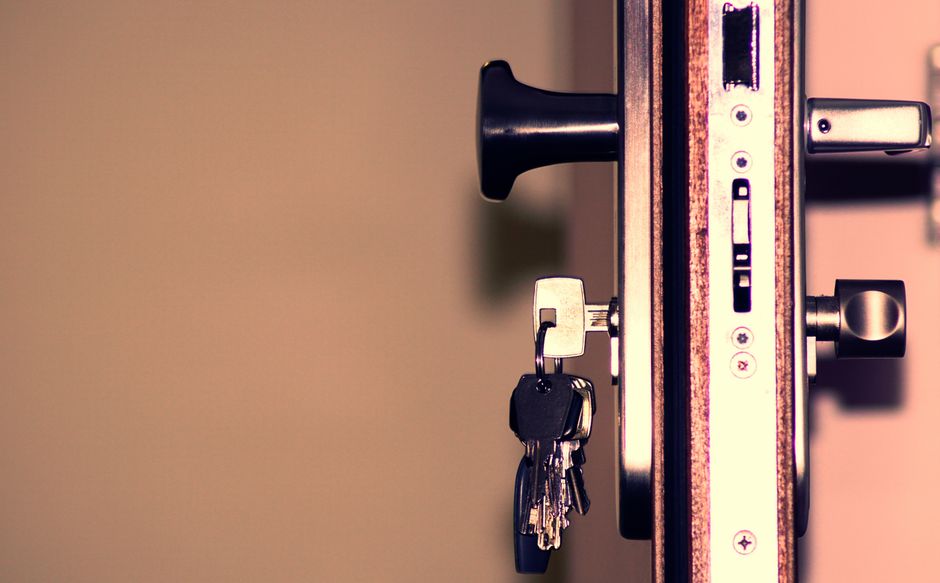
Access issues and locked flats end of tenancy cleaning Kingston: what to do when cleaners can't get in
If you're dealing with Access issues and locked flats end of tenancy cleaning Kingston, you're not alone. It happens more often than people expect: a tenant has already moved out, keys are with the letting agent, a lock is sticking, or the flat is in a managed block with awkward entry rules. The cleaning still needs to happen, but the access part can quickly become the real problem.
This guide explains how to handle locked flats, missing keys, concierge rules, and timed entry slots without derailing the clean. It also covers what to do before the clean, what cleaners usually need from you, and how to avoid that last-minute panic when a property is ready in every way except, well, you can't get through the door. Let's face it, that's nobody's favourite part of moving out.
For readers also comparing wider tenancy services, it can help to understand how end-of-tenancy work differs from broader move-out cleaning and more detailed deep cleaning before you book anything.
Table of Contents
- Why Access issues and locked flats end of tenancy cleaning Kingston Matters
- How Access issues and locked flats end of tenancy cleaning Kingston Works
- Key Benefits and Practical Advantages
- Who This Is For and When It Makes Sense
- Step-by-Step Guidance
- Expert Tips for Better Results
- Common Mistakes to Avoid
- Tools, Resources and Recommendations
- Law, Compliance, Standards, or Best Practice
- Options, Methods, or Comparison Table
- Case Study or Real-World Example
- Practical Checklist
- Conclusion
- Frequently Asked Questions
Why Access issues and locked flats end of tenancy cleaning Kingston Matters
Access is not a side issue. It is the issue. A perfectly scheduled end of tenancy clean can collapse if the property is locked, the wrong key is available, or nobody has confirmed who can open the building door. That affects timing, costs, stress levels, and sometimes the final condition report. In a rental move, those things matter a lot.
In Kingston, flats are often in blocks with controlled entry, shared halls, or private parking courtyards. That sounds ordinary enough until one tiny detail goes missing. Maybe the key sits with a landlord in another part of London, maybe the letting agent assumed the concierge would help, or maybe the tenant left the keys in a lockbox but forgot the code. These are small problems on paper. On the day, they can become very large.
Access issues also matter because an end of tenancy clean is usually time-sensitive. The cleaners may have a narrow slot between checkout, inventory photos, and the next key handover. If entry is delayed, the whole chain can slip. And if the flat is already empty, you are often paying for a professional visit, not a flexible "pop back later" arrangement. Truth be told, that can make even a simple delay expensive.
There is also a quality angle. When the access plan is messy, people tend to rush. Rushing leads to missed skirting boards, incomplete kitchen detailing, or a bathroom that looks clean but still has limescale around the taps. Not ideal when a deposit is on the line.
If you need broader property support, the same issue can affect end of tenancy cleaning jobs across Kingston, especially when a place also needs window cleaning, oven cleaning, or carpet cleaning as part of the handover standard.
Expert summary: if the clean is important, the access plan is important too. A locked flat is not just an inconvenience; it can affect timing, scope, and the final result.
How Access issues and locked flats end of tenancy cleaning Kingston Works
At its simplest, this kind of job works by matching the cleaning appointment to a workable access arrangement. That could mean a tenant hands over keys directly, a landlord authorises the cleaner to collect keys from an agent, or a concierge lets the team in at a scheduled time. The cleaning itself does not change much. The logistics around it do.
Here is the practical flow most people follow:
- Confirm who controls access. Is it the tenant, landlord, letting agent, concierge, or a key safe?
- Check the key condition. Make sure the key actually fits and opens all necessary doors, including bin stores, garage access, or mail areas if relevant.
- Agree the access window. Cleaners need a realistic time slot, not a vague "sometime in the morning".
- Share instructions in writing. Door codes, entry notes, parking rules, and building quirks should be written down.
- Prepare for lock complications. If the lock is stiff, the key fob is missing, or the flat is double-locked, tell someone before the cleaner arrives.
- Keep someone reachable. A phone number for the tenant, agent, or landlord can save a wasted visit.
In a locked-flat situation, the cleaner may still arrive on time but be unable to start. That can mean waiting outside, rescheduling, or trimming the job if the day is already full. Not glamorous, but it happens. The easiest fixes are usually boring ones: a tested key, a named contact, and a straightforward meet-and-greet plan.
Sometimes access is only partial. For example, the hallway and living room are open, but the bedroom is locked because someone forgot a second key. Or the building door code works, but the actual flat key is missing. These half-access situations are awkward because they create delays without fully cancelling the job. A good cleaner will tell you what can realistically be completed and what cannot.
If the flat is part of a larger building, it may also help to review related services like communal area cleaning or house cleaning if shared spaces or wider property areas need attention as well.
Key Benefits and Practical Advantages
Getting the access side right saves a lot more than time. It reduces wasted calls, avoids accidental damage from forced entry attempts, and helps the clean stay within the scheduled window. For tenants, that often means less stress before checkout. For landlords and agents, it means a smoother handover. For cleaners, it means they can actually get the job done properly instead of playing detective in a stairwell.
Some of the biggest advantages are straightforward:
- Fewer delays: when everyone knows who is opening the flat and when, there is far less downtime.
- Better cleaning quality: a full, uninterrupted slot gives attention to the details that matter in end of tenancy work.
- Lower risk of extra charges: wasted travel, waiting time, and return visits can often be avoided.
- Less pressure on moving day: one less thing to chase when you are already dealing with removals, utilities, and final checks.
- Clearer accountability: written access instructions make it easier to resolve disputes later.
There is also a subtle benefit that people often overlook: a clean that begins on time tends to feel calmer and more organised. You can hear the vacuum before you can smell the cleaning products, if that makes sense. The whole job just feels more controlled. That matters when someone is about to inspect every corner with inventory notes in hand.
For especially awkward homes, you may want to combine the clean with targeted tasks such as stain removal, pet stain odour removal, or upholstery cleaning so the appointment covers the areas most likely to be checked.
Who This Is For and When It Makes Sense
This topic is relevant to more people than you might think. It is not only for people who have lost a key or are staring through a locked front door at 8:10 in the morning. It also applies to anyone planning a handover in a flat with controlled access, building rules, or a strict checkout time.
It makes sense if you are:
- a tenant moving out of a flat in Kingston and trying to protect your deposit
- a landlord preparing a property for re-let after a tenant has left
- a letting agent coordinating cleaning, keys, and inventory timing
- a property manager dealing with a block where concierge access is limited
- a householder or lodger who needs a one-off professional clean after a move
It is also useful if the property has been empty for a while. Empty flats can still be surprisingly complicated. A lock might stick after weeks of disuse. A key safe might be in a less obvious place than the previous occupier remembered. Or the building management office may only open at a certain hour. These little things can hold up a very ordinary job.
If the flat will be reoccupied quickly, it can be worth pairing end of tenancy work with move-in cleaning or one-off cleaning so the next person walks into a space that feels properly reset.
Step-by-Step Guidance
If you want the clean to run smoothly, follow a simple process. Nothing fancy. Just proper preparation, the sort of thing that saves you from a headache later.
1. Confirm the access method early
Decide whether access will be by key handover, agent collection, concierge entry, key safe, or someone meeting the cleaner on site. Do this well before the booking day. A last-minute "we'll sort it out" approach is where problems breed.
2. Test the key or code
It sounds obvious, but many delays happen because the key has never been checked. Test it in advance. Make sure it opens the flat, internal doors where needed, and any shared entry points. If there is a fob, check the battery or validity if relevant.
3. Share instructions in one message
Keep the information together: flat number, floor, parking notes, door code, phone number, and any building rules. A cleaner should not have to scroll through four separate text threads to find the right entrance.
4. Remove obstacles inside the property
Even with access sorted, clutter can slow things down. Ideally the flat should be empty, or almost empty. If there are bulky items left behind, mention them before the visit. In some cases a separate house clearance or extra rubbish removal arrangement may be needed before cleaning can begin properly.
5. Keep someone contactable
On the day, somebody should be reachable by phone. If the cleaner cannot get in, having a live contact can turn a wasted visit into a quick fix.
6. Build in a buffer
Where possible, leave a little time between key handover and checkout inspection. That way, if the building lift is slow or someone is five minutes late, the whole day does not unravel. A small buffer can save a lot of grief.
7. Check the result before final handover
If you can, inspect the flat after the clean and before keys go back to the landlord or agent. Even a quick walk-through helps spot anything that needs a final touch-up.
Expert Tips for Better Results
Here is the part that tends to make the difference between a decent clean and a smooth, almost effortless handover. The access problem is often solved by being a little more organised than everyone else.
- Use one named access contact. If three people are answering the cleaner's messages, something will get missed.
- Write down the lock quirks. Some doors need lifting, some need a double turn, and some need a bit of patience. That is life.
- Warn about restricted parking. In Kingston, parking around flats can be tight. The cleaner should know where loading is possible, if anywhere.
- Tell the cleaner about alarms or building systems. A sounding alarm wastes time and creates stress for everyone nearby.
- Leave instructions for shared areas. If the cleaner needs to pass through communal halls, mention building rules and any access cards.
- Be realistic about add-ons. If the oven is greasy and the carpets need help too, say so early. That lets the team bring the right equipment.
One small but useful habit: take a photo of the key, the lock, and any access note on the door or in the building lobby. You do not need a photo album, just a clear record. It helps if there is any dispute about whether access was provided correctly. A bit dull, yes. Very useful, also yes.
For more specialised jobs, it may be worth adding oven cleaning, carpet cleaning, or window cleaning to the plan so the flat is truly inspection-ready rather than just surface tidy.
Common Mistakes to Avoid
Most access problems are preventable. The tricky bit is that the mistake feels tiny right up until the cleaner is standing outside a locked flat.
- Assuming someone else has the key. Always confirm. Don't assume.
- Leaving access details until the morning. That is a recipe for crossed wires.
- Not testing the key or fob. A key that "should work" and a key that actually works are two different things.
- Forgetting building restrictions. Some blocks have reception hours, lift rules, or entry procedures that affect service timing.
- Booking the clean too close to checkout. If the inventory clerk arrives immediately after the clean, there is no room for error.
- Failing to mention damage or maintenance issues. A stiff lock, broken latch, or jammed door should be disclosed early.
Another common issue is underestimating how much a closed flat can hide. If the windows are shut, the heating is off, or the place has been empty for a while, there can be odours, condensation marks, or dust that only shows up once the cleaners start moving through room by room. That is not a surprise to professionals, but it can surprise the occupier. Fair enough.
Tools, Resources and Recommendations
You do not need specialist equipment just to organise access, but a few basic tools can make everything simpler.
- Key log: a quick note of who has which key, fob, or code.
- Photo record: a picture of the entry point, keypad, or lockbox location.
- Single message checklist: one written message containing all access details.
- Phone backup: a backup number in case the first contact is unavailable.
- Calendar buffer: some breathing room between key handover and inspection.
For the cleaning itself, useful supporting services often include steam carpet cleaning for deeper fibre refresh, mattress cleaning where beds are being left behind, and sofa cleaning if furnishings are part of the tenancy inventory.
If the flat has hard surfaces that need extra care, hard floor cleaning can help restore the finish without leaving residue, and rug cleaning is useful where moveable furnishings have picked up traffic marks over time.
Law, Compliance, Standards, or Best Practice
Access and key handling sit in a practical area rather than a highly regulated one, but there are still important best-practice expectations in the UK. The main point is simple: anybody entering a property should have clear permission, clear instructions, and a clear understanding of what they are allowed to do.
In tenancy situations, written authorisation is the safest route. That protects tenants, landlords, agents, and cleaners alike. It reduces disputes about who approved entry and when. If a building has concierge controls, block rules, or management requirements, those should be respected. No shortcuts. No improvising at the door.
Health and safety matters too. A cleaner should not force a lock, use unsafe entry methods, or put themselves at risk trying to access a property. If there is any sign of a damaged lock, broken latch, or unsafe stairwell, the correct response is to pause and report the issue, not muddle through. A sensible provider will also have clear insurance and safety arrangements in place, plus transparent terms around access delays and waiting time.
For your own peace of mind, it is worth reviewing a company's health and safety policy, insurance and safety information, and terms and conditions before booking. That is not overcautious; it is just sensible.
Data and privacy also come into play when access codes, names, and phone numbers are shared. If a concierge or agent is involved, only share what is necessary and keep contact details within the agreed booking process. Small thing, but worth doing properly.
Options, Methods, or Comparison Table
Different access arrangements suit different properties. There is no single perfect method. The best option depends on how the flat is managed, who is available, and how much flexibility you need on the day.
| Access method | Best for | Advantages | Possible downside |
|---|---|---|---|
| Tenant handover | Simple private lets | Fast, direct, easy to confirm | Can go wrong if the tenant is already away |
| Letting agent collection | Managed tenancies | Clear chain of responsibility | Depends on office hours and staff availability |
| Concierge entry | Apartment blocks | Useful for controlled buildings | Often limited by opening times or building policy |
| Key safe | Flexible handovers | Handy when people are not on site | Code issues or missing instructions can block access |
| Meet on site | Short-notice cleans | Direct and immediate | Requires someone to be punctual and present |
For a simple one-flat booking, direct key handover is usually easiest. For blocks with reception, concierge access can work well, provided the time slot is confirmed. Key safes are convenient but only when the code is correct and somebody actually knows where the thing is. Which, to be fair, is not always the case.
If the flat is part of a broader property refresh, some people also compare this with domestic cleaning or regular cleaning, but end of tenancy work usually needs more detailed attention to surfaces, appliances, and hidden corners.
Case Study or Real-World Example
Here is a realistic example based on a common Kingston scenario. A tenant had booked an end of tenancy clean for a second-floor flat near a busy block entrance. The move itself ran late, the key was supposed to be with the letting agent, and the concierge shift changed just before midday. Not exactly ideal.
On the morning of the clean, the cleaner arrived and could access the building but not the flat. The agent's office was closed for lunch, the concierge did not have the spare key, and the tenant's phone battery had died after a morning of packing and last-minute sorting. A classic chain-reaction problem.
What fixed it was not magic. It was a patient call back to the agent, a written reference for the key collection point, and a short delay while the cleaner waited nearby. Once the key arrived, the flat could be cleaned in full, including kitchen appliances, bathroom fittings, internal glass, and the bedroom carpets. The job still happened the same day, but only because the access trail was eventually clarified.
The useful lesson? The cleaning quality was not the issue. Access was. Had the key been confirmed the day before, there would have been no waiting, no stress, and no scramble around lunchtime. That is the sort of thing people only appreciate after they've lived through it, usually with a coffee in one hand and a mildly worried expression.
Practical Checklist
Use this before the clean. It saves time, and honestly it saves nerves too.
- Confirm who holds the key or access code
- Test the key, fob, or code in advance
- Share the flat number, floor, and entrance details
- Provide one reliable contact number
- Explain any concierge or building restrictions
- Note parking or loading limits near the property
- Tell the cleaner about sticky locks or damaged doors
- Remove remaining items or arrange clearance if needed
- Allow enough time for the cleaning to finish before inspection
- Keep written confirmation of access arrangements
Quick reminder: a clear access plan is just as important as the cleaning plan. Maybe even more so. Especially on moving day.
Conclusion
Access issues and locked flats do not have to ruin an end of tenancy clean in Kingston. Most of the time, the solution is simple: confirm the key, agree the entry method, and keep everyone informed. Once the access side is handled properly, the cleaning team can focus on what they do best - making the property look ready for inspection, handover, and whatever comes next.
If you are preparing a move and want a smoother, less stressful process, start with the access details first. It is the quiet bit that keeps everything else moving. And in a busy rental handover, that really matters.
Get a free quote today and see how much you can save.
For a wider view of service quality and company expectations, you can also review the team's about us page, pricing and quotes, and contact page before booking. It is a small bit of homework that often pays off.
Frequently Asked Questions
What should I do if the flat is locked on the day of the cleaning?
Contact the cleaner, agent, or landlord immediately and confirm who can provide access. If a key or code is available nearby, share it straight away. The sooner the issue is flagged, the better the chance of completing the job that day.
Can cleaners wait for a key handover?
Sometimes, yes, but waiting time should always be agreed in advance. If the cleaner has another appointment after yours, delays may mean the job needs rescheduling. Clear communication is the safest option.
Who is normally responsible for providing access in Kingston flat cleans?
It depends on the booking. Tenants often provide the key if they are still in control of the property, while landlords or agents may handle access after move-out. The important part is that one person takes responsibility and confirms it properly.
What if the key works for the building but not the flat?
That is a common problem. Share the issue immediately and check whether a spare key exists with the landlord, agent, or concierge. If no working key is available, the clean may need to pause until access is restored.
Do access issues affect the cost of end of tenancy cleaning?
They can. If a cleaner has to wait, return, or shorten the slot because of access problems, additional charges may apply depending on the provider's terms. It is best to ask about this before booking.
Can a flat still be cleaned if nobody is on site?
Yes, if there is a reliable key handover, lockbox, or authorised access arrangement. Many end of tenancy jobs are completed without the tenant being present, provided the entry process is clear.
What should I tell the cleaner about a locked flat?
Tell them who holds the keys, how the property can be opened, whether there are building codes or concierge rules, and whether there are any problems with the lock itself. A few clear details can save a lot of hassle.
Is it better to clean before or after the keys are returned?
Usually before, because once keys are returned, access may become harder to manage. The ideal setup is to clean after the tenant has moved out but before final handover or inspection.
What if access problems delay the inspection?
Inform the landlord or agent as soon as possible and update the inspection time if needed. A delayed clean can affect the handover, so it is worth getting everyone into the same conversation early.
Do cleaners need permission to enter a flat with a spare key?
Yes. Even if a spare key exists, the cleaner should only use it when they have explicit authorisation from the relevant person. Clear permission is a basic professional standard.
Can I book extra services if the flat has been locked for a while?
Yes, and it can be a smart idea. Longer-closed properties may benefit from deep cleaning, stain removal, or pet stain odour removal if odours or stubborn marks are present.
What is the best way to avoid access problems altogether?
Test the key, confirm the access method, keep one named contact, and put everything in writing. It sounds basic because it is basic. But basic done well solves most of the headaches.